🕌 Religion & Faith
Live
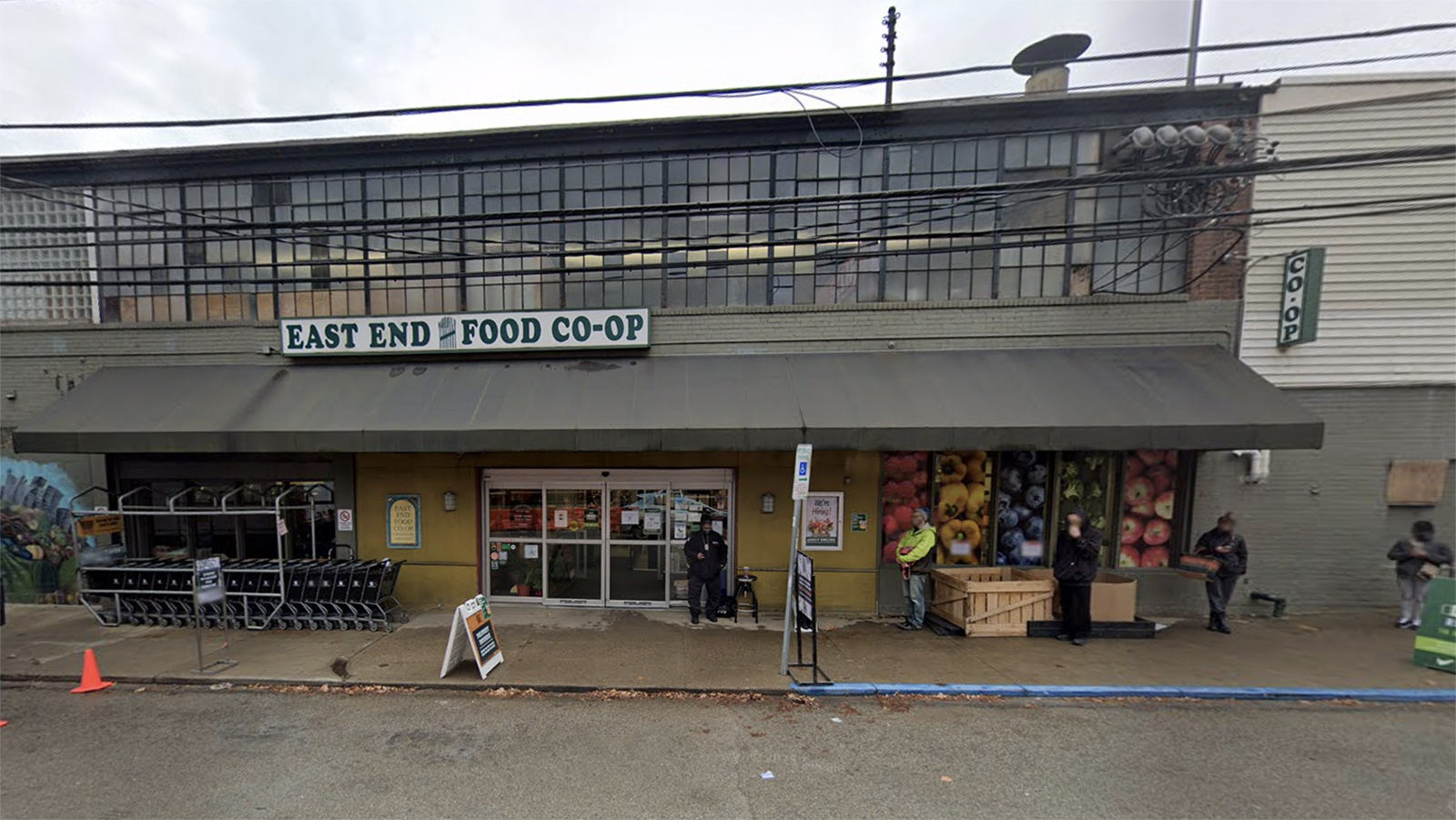
Why boycotting Israel at grocery co-ops hurts Jews, Palestinians and the food movement
(RNS) — I wish those spending time and effort on co-op boycott votes would instead direct their energies in ways that will lead to actual constructive outcomes for the people they are ostensibly inte…
Religion News Service — 15 June 2026
Text:
44
0
0
(RNS) — I wish those spending time and effort on co-op boycott votes would instead direct their energies in ways that will lead to actual constructive
Read Full Story at Religion News Service →
⚡ Quickyla Analysis
Original editorial context — not sourced from the article above
The recent wave of boycott votes at grocery co-ops targeting Israel raises difficult questions about the unintended consequences of grassroots activism in consumer-driven movements. While these campaigns often stem from genuine concern for Palestinian rights, their practical impact—especially within food co-ops—reveals a paradox: the boycotts may do little to advance Palestinian sovereignty while disproportionately affecting Jewish and Arab co-op members, as well as the broader cooperative movement.
Food co-ops, by design, operate on principles of community ownership and ethical consumption, making them ripe for political mobilization. However, their localized nature complicates boycott efforts targeting a nation-state like Israel. Unlike corporate retailers, co-ops lack the centralized purchasing power to enforce meaningful economic pressure. Instead, these votes often devolve into divisive internal debates that distract from the co-op’s core mission: providing affordable, accessible food. For Jewish and Palestinian members alike, such debates can create an environment where political identity overshadows shared values of sustainability and mutual aid.
Beyond the immediate conflict, this trend reflects a broader tension in progressive movements: the prioritization of symbolic gestures over tangible impact. Fair trade and labor justice campaigns have long demonstrated that real change often requires sustained engagement with supply chains, not performative exclusion. Yet the co-op boycott model risks reducing complex geopolitical issues to a binary choice—buy or boycott—without addressing root causes like occupation, settlement expansion, or Palestinian economic development.
What remains unclear is whether these votes will evolve into more constructive engagement, such as partnerships with Israeli-Palestinian joint ventures or advocacy for specific policies. Alternatively, they may continue to fracture communities already grappling with rising antisemitism and Islamophobia. The food movement’s future may depend on whether its leaders can balance moral clarity with practical solidarity, ensuring that ethical consumption serves both people and politics, not just one at the expense of the other.
Sources

🕌 Religion & Faith
Defense Department rejiggers list of recognized religions after backlash, narrows it to 30

🕌 Religion & Faith
Odiong guilty in Texas: Questions remain for several Church leaders

🕌 Religion & Faith
Trump’s latest attack on Leo XIV isn’t really about the pope

🕌 Religion & Faith
Pope Leo XIII updates just war theory

🕌 Religion & Faith
Photos of the Week: Ebola responses, end of Hajj

🕌 Religion & Faith
High hopes, many challenges for Bangladesh’s first Indigenous Catholic MP

