🌱 Environment
Live
Why General Motors Is Betting on Sodium-Ion Batteries
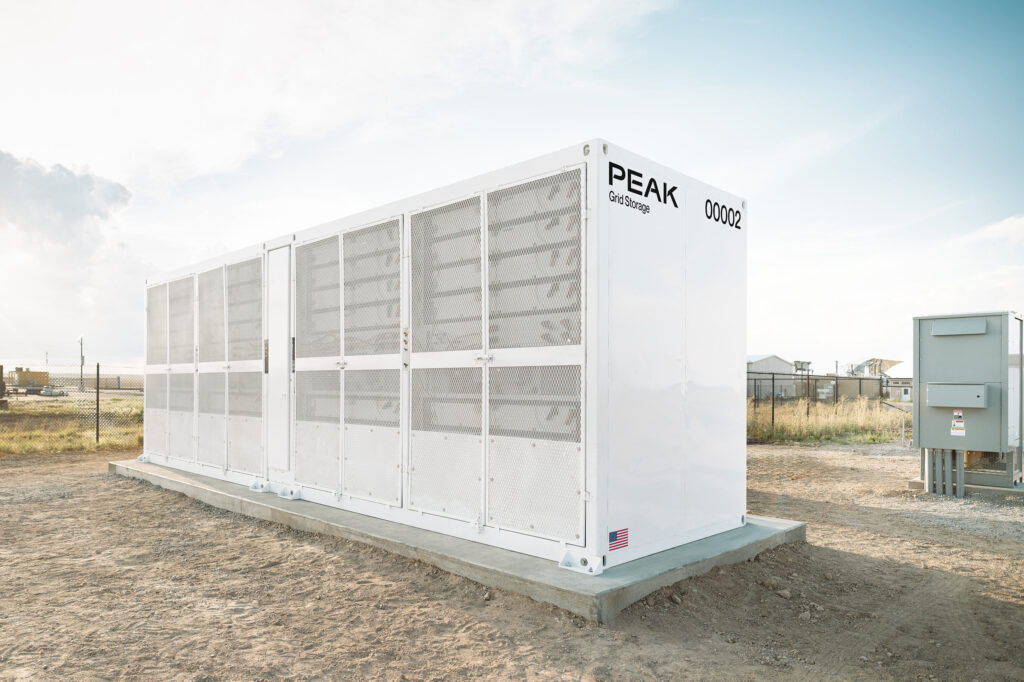
Peak Energy announced last week that it has entered a new partnership with General Motors to manufacture sodium-ion batteries for energy storage systems. The deal marks a pivotal moment for Peak, a s…
Inside Climate News — 18 June 2026
Text:
25
0
0
Peak Energy announced last week that it has entered a new partnership with General Motors to manufacture sodium-ion batteries for energy storage syste
Read Full Story at Inside Climate News →
⚡ Quickyla Analysis
Original editorial context — not sourced from the article above
General Motors’ new partnership with Peak Energy to produce sodium-ion batteries signals more than just technological diversification—it’s a strategic bet on reshaping the energy storage landscape. Unlike lithium-ion batteries, which dominate electric vehicles and grid storage, sodium-ion technology offers a lower-cost, more sustainable alternative that could unlock new markets. For GM, a company under pressure to meet ambitious EV adoption targets while managing lithium supply chain volatility, this alliance diversifies risk. Sodium-ion’s reliance on abundant sodium (found in seawater and salt deposits) reduces dependence on scarce minerals like cobalt and nickel, addressing both cost and geopolitical concerns. The move also reflects a broader industry pivot toward alternative chemistries as lithium prices remain volatile and environmental concerns over mining practices grow.
The broader significance lies in energy storage’s role in the clean energy transition. While lithium-ion remains king for now, its limitations—high cost, supply chain fragility, and geographic concentration—are well-documented. Sodium-ion batteries, though typically less energy-dense, excel in stationary storage where weight and size are less critical. Peak Energy’s focus on grid-scale applications suggests GM is eyeing a dual strategy: EVs for mobility and sodium-ion for stationary power, potentially creating a more resilient energy ecosystem. This aligns with GM’s push into renewable energy services, including its recent ventures in solar and battery recycling.
What remains uncertain is whether sodium-ion can scale efficiently enough to displace lithium in key sectors. Early adopters in China have demonstrated commercial viability for low-cost energy storage, but questions linger about cycle life, cold-weather performance, and energy density for high-demand applications. GM’s involvement could accelerate innovation, but the technology’s long-term viability hinges on sustained investment and real-world deployment.
Ultimately, this partnership underscores a critical trend: the energy storage industry is entering a period of experimentation, where no single chemistry will dominate. As demand for batteries surges beyond EVs, manufacturers are hedging their bets—pursuing alternatives that prioritize cost, sustainability, and resilience. Whether sodium-ion becomes a niche player or a mainstream disruptor will depend on the next phase of development, but its rise reflects a broader reckoning with the limits of today’s battery orthodoxy.
Sources

🌱 Environment
Erin Brockovich criticizes Microsoft data center secrecy in Utah

🌱 Environment
Rescues in eastern Syria after the Euphrates River bursts its banks

🌱 Environment
Indonesians mark 20 years since mud volcano eruption swallowed up entire communities in East Java

🌱 Environment
Biden’s Clean Drinking Water Plan Is Being Rebranded as MAHA

🌱 Environment
Heat is Killing Wildlife Across the Animal Kingdom. A New Forecasting Tool May Help

🌱 Environment
Trump’s EPA Unlawfully Cancelled Environmental Justice Grants, Judge Rules

