🌍 World News
Live
Why Iran believes deal with US leaves it stronger than before
For Iran, the deal with the US offers something just as important as a ceasefire: a way to claim that it has not just survived the war without surrendering but has emerged from it stronger. From the…
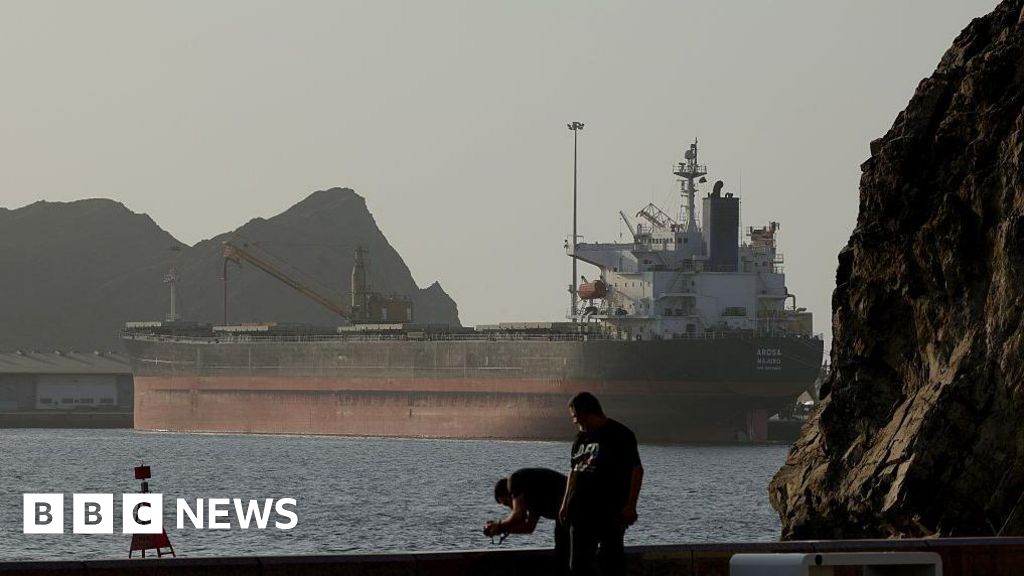
BBC World News — 18 June 2026
Text:
24
0
0
For Iran, the deal with the US offers something just as important as a ceasefire: a way to claim that it has not just survived the war without surrend
Read Full Story at BBC World News →
⚡ Quickyla Analysis
Original editorial context — not sourced from the article above
Iran’s strategic framing of its recent deal with the U.S. as a testament to its resilience rather than surrender reflects a deeper geopolitical calculus that extends far beyond the immediate conflict. For Tehran, the arrangement isn’t merely a ceasefire—it’s a narrative of defiance, one that allows it to present itself as having weathered economic pressure, military strikes, and diplomatic isolation without conceding core demands. This narrative matters because it reinforces Iran’s regional influence, particularly in its ability to project power through proxies while maintaining a posture of unyielding resistance against Western pressure. The deal’s symbolic value lies in its potential to shore up domestic legitimacy for a regime that has long justified its survival through the rhetoric of anti-imperialism, even as it faces deepening economic crises and internal dissent.
The broader significance of this framing becomes clearer when considering Iran’s historical relationship with the U.S. Since the 1979 revolution, Tehran has consistently prioritized symbolic victories over tangible concessions in its dealings with Washington. The nuclear negotiations of the 2010s, for instance, were often framed domestically as a means to endure sanctions rather than as a pathway to compromise. This pattern suggests that Iran’s leadership views diplomatic engagements not as ends in themselves but as tools to buy time, demonstrate strength, and weaken adversaries’ resolve. The current deal’s emphasis on Iran’s perceived strengthening—despite ongoing tensions—aligns with this long-standing strategy, which has allowed it to maintain a foothold in conflicts from Syria to Yemen without ever fully bending to external demands.
What remains uncertain is whether this narrative will translate into sustained political or economic gains for Iran. Internationally, the deal’s success hinges on whether it can withstand domestic political shifts in both Tehran and Washington, where hardliners on both sides remain skeptical of compromise. Regionally, Iran’s ability to leverage the deal to expand its influence will depend on the behavior of its proxies and the reactions of its Arab neighbors, who see Tehran’s actions as a direct threat to their security. Should the deal hold, Iran may emerge emboldened, further entrenching its role as a spoiler in Middle Eastern geopolitics. If it collapses, however, Tehran’s claim of strength could quickly unravel, exposing the fragility of its post-conflict positioning.
Sources

🌍 World News
Man fleeing police attacked by alligator before continuing his getaway, Louisiana authorities say
🌍 World News
US crude exports hit record high in May as Iran war tightens global oil supplies

🌍 World News
Agitators outside Delaney Hall set up organized logistics operation before Newark protests began

🌍 World News
French doctors sound alarm over drinking water pollution

🌍 World News
Iran, Kuwait, Bahrain hit: Is the war in the Gulf escalating again?

🌍 World News
Four people trapped in flooded cave in Laos pulled to safety

