Why is Bulgaria threatening to veto EU's Russia sanctions?
When the EU moved to include Patriarch Kirill, the head of the Russian Orthodox Church, and former Lukoil president Vagit Alekperov in its latest package of sanctions against Russia, only one member s
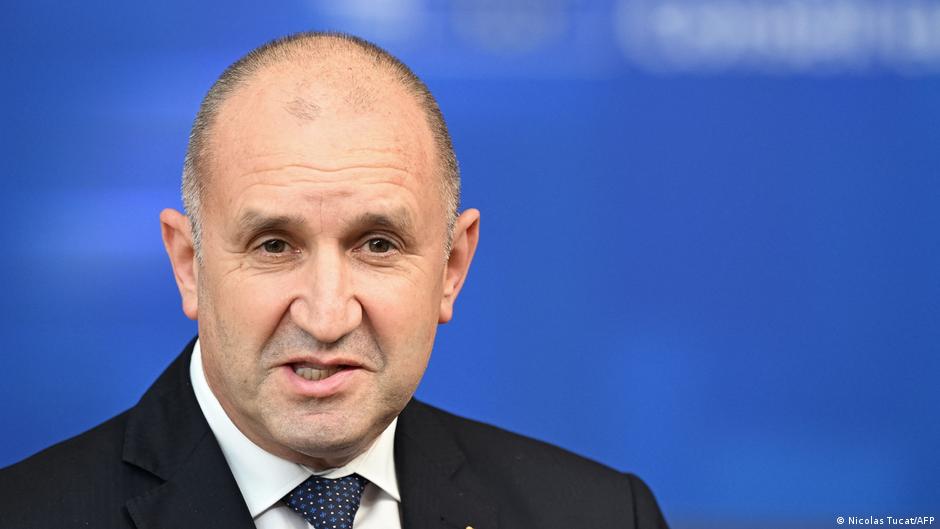
When the EU moved to include Patriarch Kirill, the head of the Russian Orthodox Church, and former Lukoil president Vagit Alekperov in its latest pack
Read Full Story at DW World →Why This Matters
The potential Bulgarian veto over EU sanctions targeting Patriarch Kirill and a Russian oil executive underscores a growing fissure in the bloc's consensus on isolating Moscow. While the measures symbolize Europe's determination to escalate pressure on Russia's war machine, Sofia's resistance signals deeper disquiet over the unintended consequences for regional stability and energy security.
Background Context
Bulgaria's opposition stems from its historical ties to the Russian Orthodox Church and lingering energy dependencies on Moscow, despite its EU membership. The country's political landscape remains sharply divided between pro-Western factions advocating alignment with Brussels and nationalist groups sympathetic to Kremlin narratives.
What Happens Next
The EU may seek a compromise to avoid a veto, potentially watering down sanctions or offering Bulgaria side deals. However, if Sofia stands firm, it could force a rare split in the bloc, emboldening other reluctant members like Hungary. The standoff also risks delaying critical funding and aid to Ukraine.
Bigger Picture
This dispute reflects a broader erosion of EU unity on Russia policy, with economic fatigue and ideological divides complicating collective action. As sanctions fatigue grows, member states are increasingly prioritizing domestic interests over bloc-wide solidarity.






