Why Trump’s eyes are on Iran’s Kharg Island — and why that's a risk
Less than 20 miles off Iran’s shallow coastline sits an island made of hard coral — a natural, geological platform rising from the Persian Gulf that’s perfect for one thing: exporting oil . Get unli…
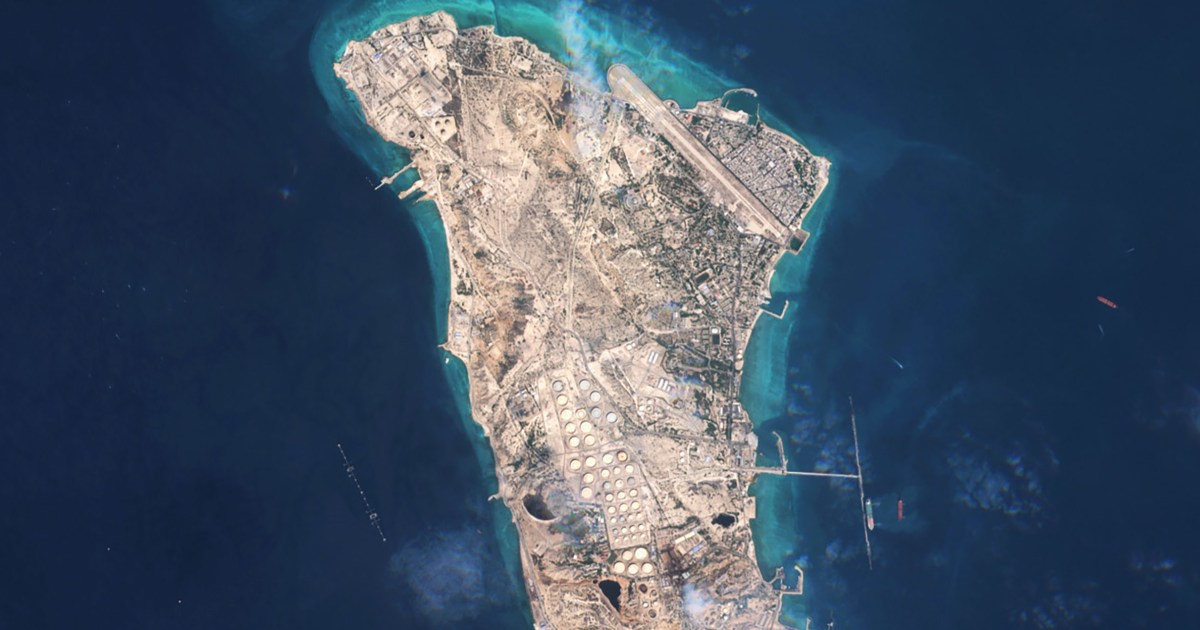
Less than 20 miles off Iran’s shallow coastline sits an island made of hard coral — a natural, geological platform rising from the Persian Gulf that’s
Read Full Story at NBC News →Why This Matters
Kharg Island isn’t just another dot in the Persian Gulf—it’s Iran’s critical chokepoint for oil exports, handling nearly half of the country’s maritime shipments. If tensions escalate, disrupting operations there could send shockwaves through global energy markets, particularly as Western sanctions already strain Iran’s export capacity. For Trump, leveraging this vulnerability could signal a broader strategy to pressure Tehran beyond conventional diplomacy or military posturing.
Background Context
Kharg Island has been Iran’s primary oil loading hub since the 1950s, when the Anglo-Iranian Oil Company (later BP) first exploited its deep-water terminals. The island’s geological makeup—hard coral formations resistant to erosion—made it an ideal natural platform for infrastructure, while its proximity to key shipping lanes minimized transit risks. Decades of sanctions have forced Iran to rely on creative logistics, including floating storage and offshore transfers, to bypass blockades.
What Happens Next
A U.S. move targeting Kharg Island would likely trigger retaliatory strikes against Gulf shipping, testing whether Iran’s asymmetric capabilities—like drone swarms or missile barrages—can overwhelm regional defenses. The risk of miscalculation looms large, especially if Iran interprets such actions as a prelude to regime change rather than mere economic pressure. Watch for whether Europe or China intervene diplomatically or through alternative oil deals to mitigate supply disruptions.
Bigger Picture
This isn’t just about one island—it’s a microcosm of how resource-rich states are weaponizing geography in an era of hybrid warfare. As sanctions and cyberattacks fail to curb Iran’s nuclear ambitions, kinetic strikes on critical infrastructure may become the new normal in gray-zone conflicts. The episode also underscores how energy security is increasingly intertwined with geopolitical brinkmanship, forcing importers to hedge against sudden disruptions.






