🚔 Crime & Justice
Live
Wife used her final words to tell cops how to solve her murder after husband planted 'trackers' in her car: DA
A California man was allegedly so obsessed with his estranged wife he planted "trackers" in her car, applied for a job where she worked, and sent over 100 texts to her before things turned deadly. The

Law & Crime — 18 June 2026
Text:
23
0
0
A California man was allegedly so obsessed with his estranged wife he planted "trackers" in her car, applied for a job where she worked, and sent over
Read Full Story at Law & Crime →
⚡ Quickyla Analysis
Original editorial context — not sourced from the article above
The chilling case of a California man allegedly stalking and ultimately killing his estranged wife—using covert tracking devices and relentless digital harassment—highlights a disturbing intersection of technology, obsession, and domestic violence. Beyond the horror of the crime itself, this incident underscores how stalking has evolved in the digital age, where abusers exploit tools like GPS trackers, employment infiltration, and mass messaging to exert control. Such tactics often escalate into fatal violence: according to the National Coalition Against Domestic Violence, 76% of intimate partner homicide victims had been stalked by their killer before their death. This case forces a reckoning with how easily modern conveniences can become weapons in the hands of predators.
The husband’s alleged behavior—planting trackers, applying for a job at her workplace, and sending over 100 texts—follows a familiar pattern seen in other high-profile cases, where technological stalking precedes physical harm. Yet what makes this story particularly damning is the wife’s final act: using her dying words to guide investigators. Her last moments were spent ensuring justice, a tragic testament to how deeply surveillance and coercion can permeate a victim’s life. It also raises questions about accountability: while law enforcement has increasingly recognized the lethality of stalking, are current legal frameworks robust enough to prevent such premeditated harms before they turn lethal?
Moving forward, this case could become a catalyst for broader reforms. Prosecutors may push for stricter penalties for digital stalking, while tech companies could face renewed scrutiny over how easily their products are weaponized. Yet the deeper challenge lies in societal recognition of stalking as a gateway crime—not a mere nuisance but a precursor to violence. As more abusers weaponize apps, smart devices, and social media, this tragedy serves as a grim reminder: the same tools that connect us can just as easily enable destruction. The question now is whether society will treat such behaviors with the urgency they demand—or wait for another preventable loss before acting.
Sources

🚔 Crime & Justice
Dad and daughter crushed to death by bulldozer that rolled off truck, landed on their vehicle after driver failed to properly secure it

🚔 Crime & Justice
Boyfriend used surprise flowers to lure pregnant girlfriend outside, then shot her in the head just weeks before the baby was due, cops and friends say

🚔 Crime & Justice
Daughter drained mom's 'life savings' while keeping her locked away in bedroom, refused to change her dirty Pampers as she suffered from dementia and Alzheimer's: Cops

🚔 Crime & Justice
8-month pregnant woman kills other woman whose child was fathered by the same man

🚔 Crime & Justice
'He's gonna pay': Man lured embattled school board member outside his home by shutting off his power before trying to kill him, cops say
🚔 Crime & Justice
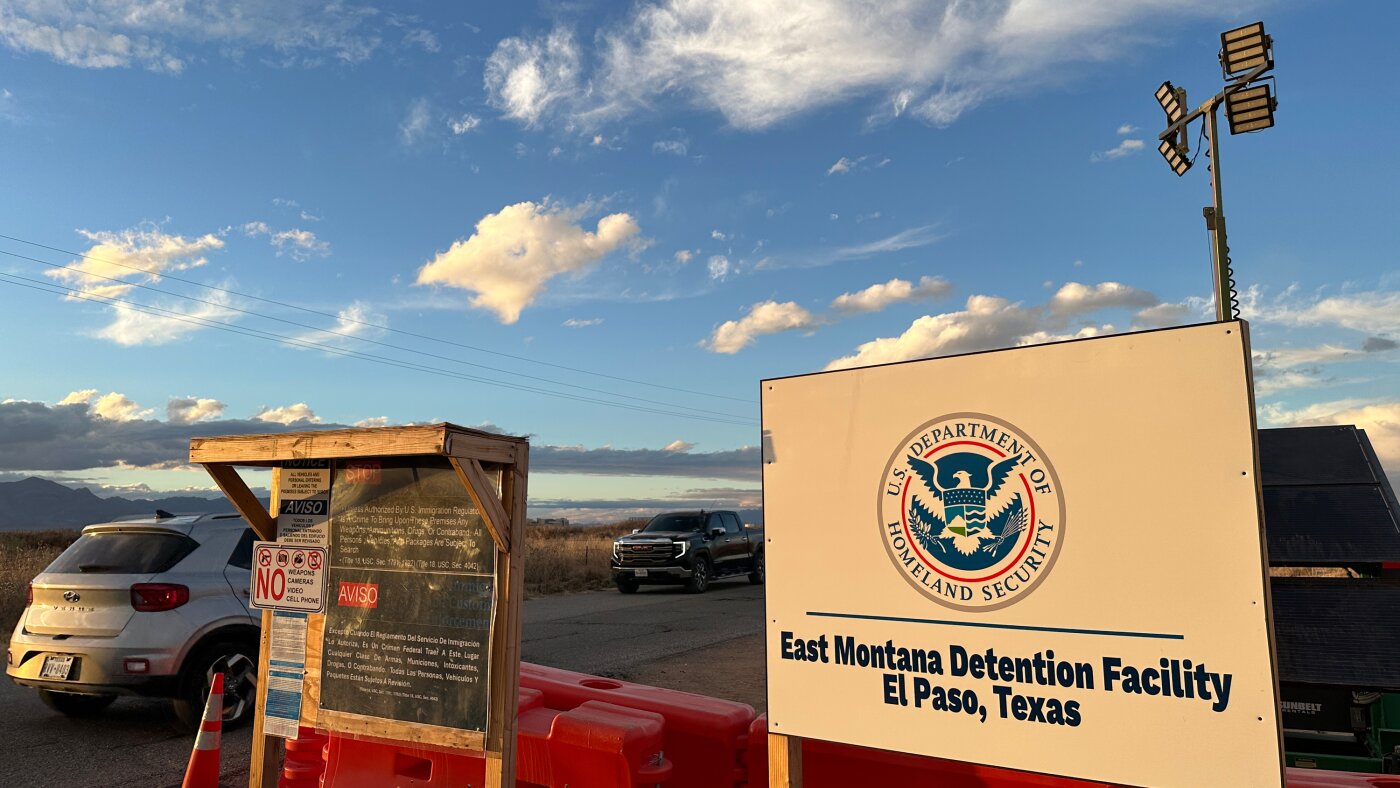
Immigrant detainees sue over 'horrific' conditions at Texas ICE facility

