🔬 Science
Live
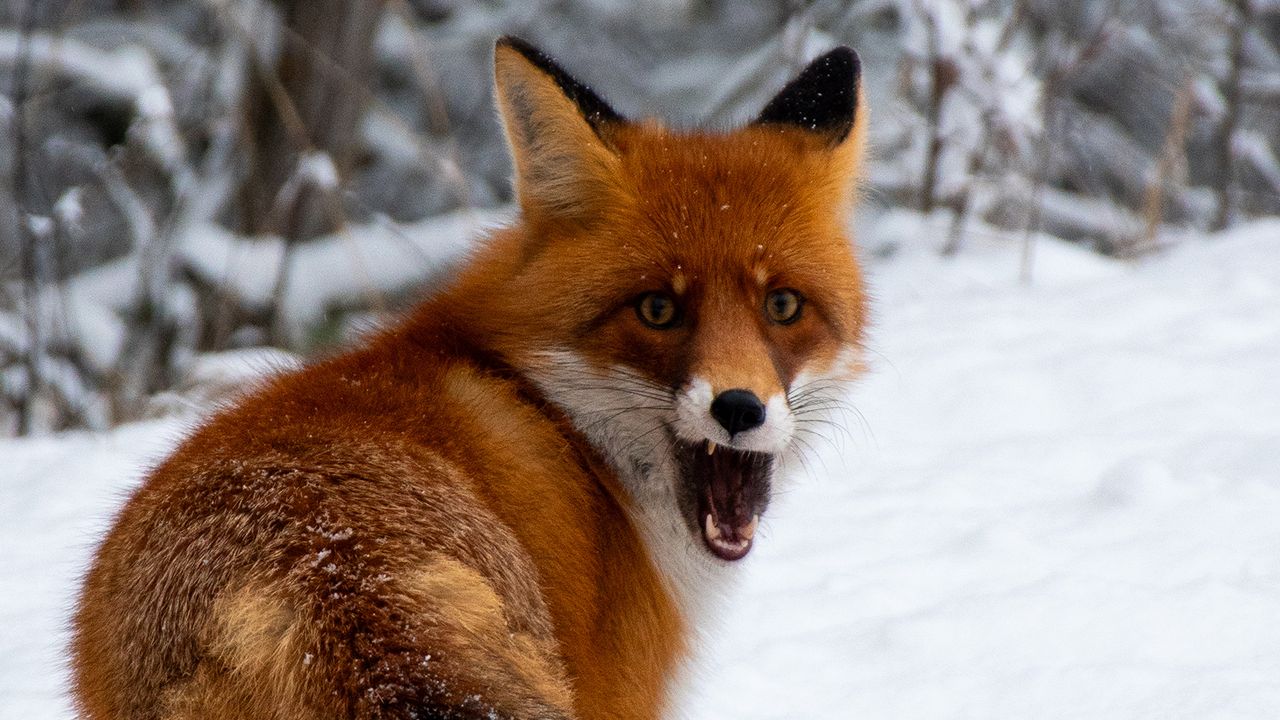
Wildlife inside Chernobyl exclusion zone acted differently during Russia's invasion, camera traps reveal
Camera footage in Ukraine's Chernobyl exclusion zone revealed that mammals became less active — especially at night — during the Russian occupation, highlighting the war's immediate impact on wildlif…
Live Science — 18 June 2026
Text:
27
0
0
Camera footage in Ukraine's Chernobyl exclusion zone revealed that mammals became less active — especially at night — during the Russian occupation, h
Read Full Story at Live Science →
⚡ Quickyla Analysis
Original editorial context — not sourced from the article above
The revelation that wildlife in Chernobyl’s exclusion zone altered their behavior during Russia’s occupation adds a stark dimension to the war’s collateral damage. Beyond the immediate human toll, the findings underscore how even ecosystems long perceived as frozen in time—both by radiation’s lingering effects and decades of ecological recovery—remain vulnerable to human conflict. The Chernobyl zone, often studied for its paradoxical biodiversity despite elevated radiation levels, has become an unintended laboratory for understanding war’s ecological footprint. The evacuation of researchers and guards during the Russian occupation likely disrupted the delicate balance of predator-prey dynamics, while the sudden presence of thousands of troops and heavy machinery introduced noise, pollution, and habitat fragmentation. That mammals like wolves, boars, and deer reduced their nocturnal activity suggests a systemic stress response, one that mirrors how wildlife worldwide adapts—or fails to—in the face of human disruption.
This phenomenon isn’t isolated to Chernobyl. Studies from conflict zones in Syria, Yemen, and the Congo have documented similar shifts in animal behavior, from desert antelopes avoiding war-torn areas to birds altering migration patterns due to disrupted food chains. The Chernobyl case, however, is unique in its combination of radiation legacy and sudden, intense human intrusion. The exclusion zone, despite its reputation as a lifeless wasteland, has thrived as a de facto wildlife preserve, free from industrial agriculture and urban sprawl. Its disruption raises questions about whether such "accidental refuges" can withstand prolonged exposure to modern warfare—a concern that grows more urgent as conflicts increasingly ravage biodiverse regions.
What remains unclear is whether this behavioral shift is temporary or part of a longer-term decline in biodiversity. Camera traps before and after the occupation could reveal whether populations rebound or if the zone’s ecological resilience has been permanently compromised. The findings also highlight a gap in wartime environmental protections, as international laws like the Geneva Conventions focus narrowly on human harm, leaving ecosystems in the crossfire. As Ukraine’s war grinds on, Chernobyl’s wildlife may serve as an early warning system for how even the most protected landscapes can fracture under the weight of geopolitical violence.
Sources

🔬 Science
'Astonishing': James Webb telescope spots the most chemically primitive galaxy in the ancient universe

🔬 Science
El Niño Is Underway

🔬 Science
Astronomers gaze into the 'Crystal Ball Nebula' and see a vision of our dying sun — Space photo of the week

🔬 Science
Bacteria uncover distinct strategy to import rare sugar polymers, crystal structures show

🔬 Science
NASA Awards Contract for Johnson Space Center Infrastructure

🔬 Science
Repairing DNA damage: Scientists discover a surprising new benefit of melatonin

