🏥 Health
Live
Witnessing joy amid the death: BBC travels to epicentre of Ebola outbreak
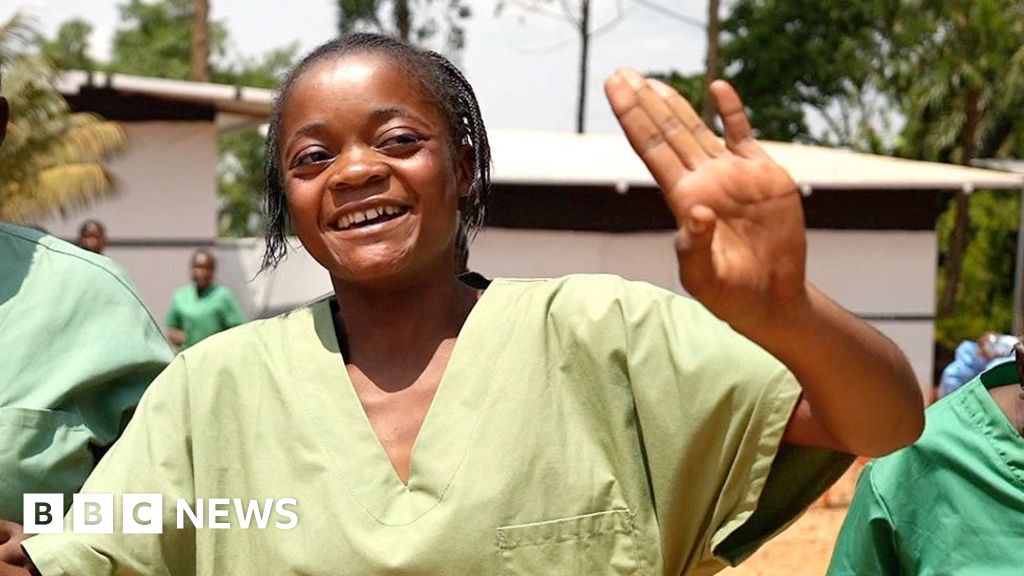
It is strange to witness singing and dancing in a place which has seen so much death but the successful treatment of an Ebola patient is cause for celebration at a hospital in the north-east of the D…
BBC Health — 15 June 2026
Text:
36
0
0
It is strange to witness singing and dancing in a place which has seen so much death but the successful treatment of an Ebola patient is cause for cel
Read Full Story at BBC Health →
⚡ Quickyla Analysis
Original editorial context — not sourced from the article above
The sight of celebration in the shadow of a deadly epidemic challenges our expectations of how human suffering should be expressed. In the northeast of the Democratic Republic of Congo, where Ebola has claimed thousands of lives over the past decade, moments of unbridled joy—singing, dancing, even laughter—emerge not as a contradiction but as a testament to resilience. The recent recovery of a patient offers more than just medical relief; it signals a fragile but vital reclaiming of life in a region that has endured relentless tragedy. This is not merely a story of survival, but of how communities reassert their humanity when faced with the most harrowing circumstances.
Ebola in eastern DRC has been a recurring nightmare, compounded by conflict, mistrust in authorities, and logistical nightmares that have hindered containment efforts. The outbreak, which has spanned multiple years, has been one of the deadliest in history, with over 3,500 cases and 2,300 deaths since 2018 alone. Yet amid the suffering, local health workers and international responders have refined strategies—mobile treatment units, community engagement, and ring vaccination—to adapt to the realities of a region under siege from both disease and violence. The dancing at the hospital is not just a spontaneous outburst; it reflects years of painstaking work to rebuild trust in a system that once failed those it was meant to protect.
What happens next remains uncertain. Will these moments of hope spread, or will skepticism linger among a population that has seen too many false dawns? The emotional weight of recovery must not overshadow the structural challenges that still loom—access to healthcare in remote areas, the threat of resurgence, and the psychological scars left by the virus. Globally, the story also raises questions about how we frame health crises. Why do we often associate epidemics only with despair, when communities find ways to endure, to laugh, to hope? This dichotomy challenges the narrative of helplessness that too often dominates coverage of such outbreaks.
Ultimately, the dancing in the Ebola ward is more than a fleeting image—it is a quiet rebellion against despair, a reminder that even in the darkest places, life persists.
Sources

🏥 Health
Claude Lemieux’s brain is being donated to Boston University’s CTE Center, family says

🏥 Health
In his book, self-described USAID 'whistleblower' talks about the agency and Ebola

🏥 Health
CDC report: Ebola outbreak could rival the worst on record unless world acts

🏥 Health
Brazil quarantines Congo travelers over Ebola fears

🏥 Health
A silent kidney crisis is spreading far faster than experts expected
🏥 Health
These researchers would be in Africa fighting ebola—but Trump cut their funding

