🌍 World News
Live
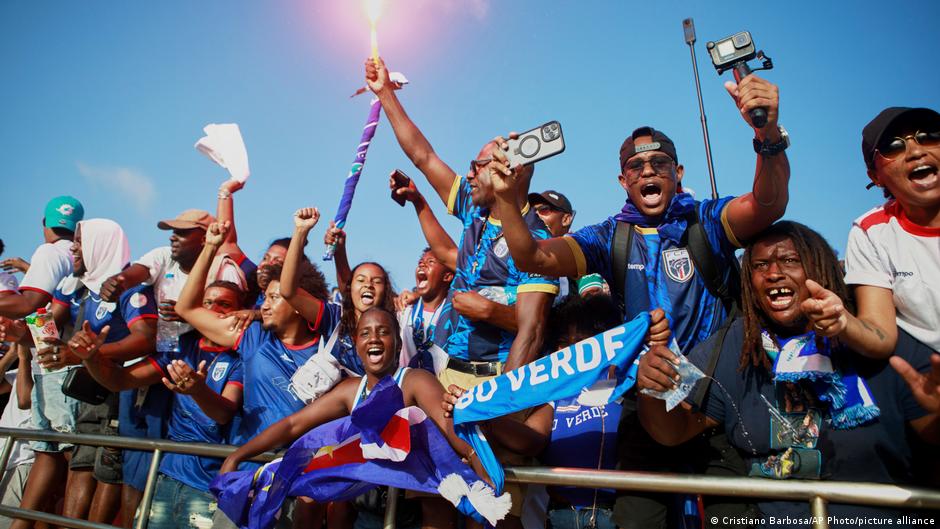
World Cup 2026: Africa's new era takes shape
The 2026 FIFA World Cup marks a turning point for African football. With the tournament expanded from 32 to 48 teams, the African continent is enjoying unprecedented representation on soccer's bigges…
DW World — 17 June 2026
Text:
38
0
0
The 2026 FIFA World Cup marks a turning point for African football. With the tournament expanded from 32 to 48 teams, the African continent is enjoyin
Read Full Story at DW World →
⚡ Quickyla Analysis
Original editorial context — not sourced from the article above
The expansion of the FIFA World Cup to 48 teams in 2026 represents more than just a logistical shift—it is a tectonic moment for African football, one that could redefine the sport’s global balance of power. Historically, Africa has been underrepresented on the world stage despite producing some of the game’s most electrifying talents. The 2026 tournament, co-hosted by the United States, Canada, and Mexico but with Africa’s participation now guaranteed at least nine spots (up from five in 2022), offers a rare chance for the continent to assert itself beyond its traditional role as a supplier of raw talent to European leagues. This isn’t just about participation; it’s about influence. With more African teams in the competition, the continent’s football federations and players will have greater leverage in negotiations over broadcast rights, sponsorship deals, and developmental funding. The 2022 World Cup in Qatar saw Morocco’s historic run to the semifinals, proving that African teams can compete at the highest level. If that momentum carries into 2026, the narrative of African football may shift permanently from one of unfulfilled potential to one of strategic dominance.
Yet this opportunity comes with challenges. Infrastructure gaps across many African nations could hinder their ability to capitalize, while the expanded format may dilute the quality of matches if weaker teams are granted entry without proper preparation. There are also concerns about whether FIFA’s financial promises—often slow to materialize—will truly trickle down to grassroots development on the continent. The broader trend, however, suggests Africa is entering a football renaissance. The rise of privately funded academies, growing domestic leagues, and increased investment from European clubs in scouting African talent all point to a continent on the ascent. If even three or four African teams advance beyond the group stage in 2026, it could trigger a virtuous cycle: more sponsors, more TV revenue, and a new generation of players inspired to stay and develop locally.
The real question is whether African football’s governing bodies can seize this moment. Will they use the platform to push for lasting reforms, or will they squander it in the same way past generations have seen potential wasted? The world will be watching.
Sources

🌍 World News
Agitators outside Delaney Hall set up organized logistics operation before Newark protests began

🌍 World News
Man fleeing police attacked by alligator before continuing his getaway, Louisiana authorities say
🌍 World News
US crude exports hit record high in May as Iran war tightens global oil supplies

🌍 World News
French doctors sound alarm over drinking water pollution

🌍 World News
Iran, Kuwait, Bahrain hit: Is the war in the Gulf escalating again?

🌍 World News
Ukraine’s Kostyuk blasts Russia stars in French Open outburst over war


