World's rarest great ape decimated by 4 days of extreme rain, with 7% of population lost to cyclone
Around 58 of Indonesia's Tapanuli orangutans were crushed or buried alive by landslides brought on by the climate-change-fueled Cyclone Senyar.
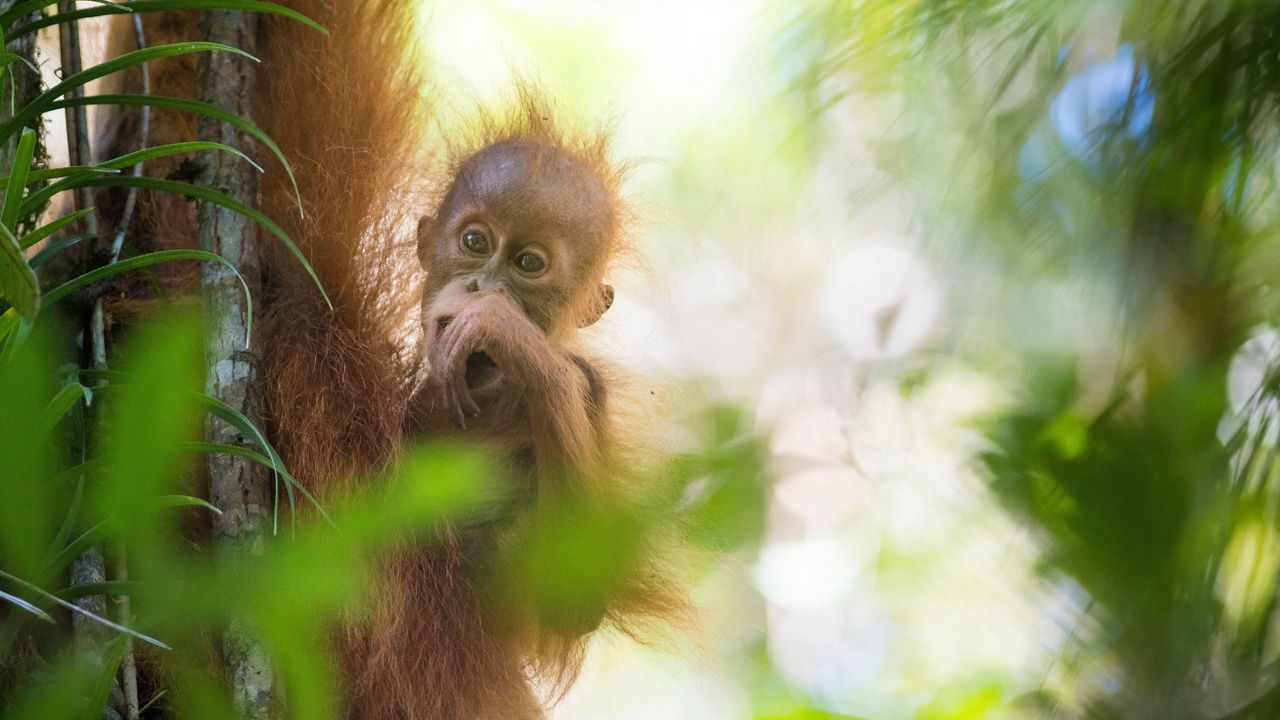
Around 58 of Indonesia's Tapanuli orangutans were crushed or buried alive by landslides brought on by the climate-change-fueled Cyclone Senyar. This
Read Full Story at Live Science →Why This Matters
This loss underscores the disproportionate vulnerability of critically endangered species to climate-driven disasters, highlighting how weather events once considered rare are now accelerating extinction risks. For a species with fewer than 800 individuals left, the death of even a single individual represents a measurable setback in conservation efforts. The tragedy also exposes the fragility of fragmented habitats, where isolated populations face compounded threats from both climate change and human encroachment.
Background Context
The Tapanuli orangutan, discovered in 2017, is the rarest great ape on Earth, confined to a 1,100-square-mile region in Sumatra’s Batang Toru ecosystem. Its habitat has been steadily carved up by hydroelectric dams, mining, and agricultural expansion, leaving the species with dwindling genetic diversity. Conservationists have long warned that such a small population—already grappling with low reproductive rates—could be wiped out by a single catastrophic event, and Cyclone Senyar may have been that turning point.
What Happens Next
Urgent habitat protection measures, including expanded corridors between forest fragments, will be critical to prevent further losses. Researchers will likely conduct rapid assessments to determine if additional survivors are at risk from landslides or isolation, while policymakers face renewed pressure to halt destructive development in the region. The incident could also galvanize funding for climate adaptation strategies tailored to species like the Tapanuli orangutan, though enforcement of such measures remains a persistent challenge.
Bigger Picture
This event fits a broader pattern of climate change acting as a threat multiplier for biodiversity, where warming temperatures intensify storms and alter ecosystems faster than species can adapt. It mirrors similar crises in other biodiverse hotspots, from Australia’s coral reefs to Madagascar’s lemurs, where extreme weather now overlaps with human-driven habitat loss. Without systemic shifts in conservation priorities and climate policy, such losses may become the new normal for the planet’s most vulnerable wildlife.







