💻 Technology
Live
Xbox Game Studios chief reportedly steps down as layoffs loom
Craig Duncan took charge of Xbox Game Studios in October 2024. Xbox Game Studios looks set to find its third leader in the space of two years amid reports that Microsoft's gaming division is prepari…
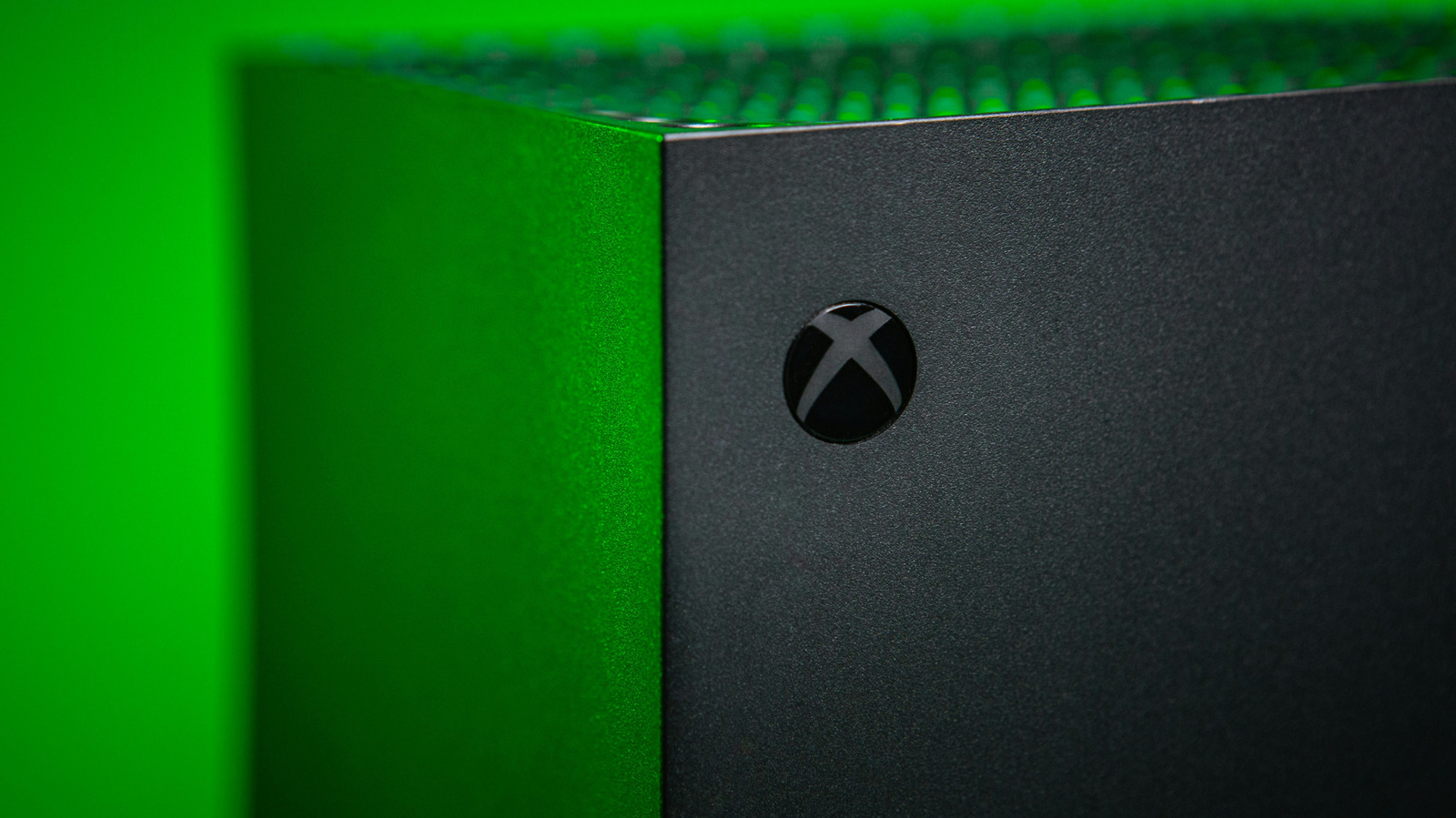
Engadget — 15 June 2026
Text:
13
0
0
Craig Duncan took charge of Xbox Game Studios in October 2024. Xbox Game Studios looks set to find its third leader in the space of two years amid re
Read Full Story at Engadget →
⚡ Quickyla Analysis
Original editorial context — not sourced from the article above
The reported departure of Craig Duncan from Xbox Game Studios—reportedly the third major leadership change in under two years—signals more than just another executive shuffle in the gaming industry. It underscores the structural turbulence within Microsoft’s gaming division as it grapples with the fallout from its $69 billion acquisition of Activision Blizzard, a deal that reshaped the entire console ecosystem. Duncan’s exit comes at a critical juncture, with layoffs already rumored to be imminent, suggesting deeper organizational realignment under pressure to justify the Activision purchase amid declining console sales and a cooling PC gaming market. For an industry that has long prided itself on stability, the rapid turnover at the top of Xbox’s development arm reflects the high stakes of Microsoft’s bet on gaming as a central pillar of its future, not just as entertainment but as a strategic asset in its cloud and AI ambitions.
What makes this story particularly telling is the broader context of Microsoft’s post-acquisition strategy. The Activision deal was sold as a way to bolster Xbox’s exclusive content pipeline and accelerate its shift toward subscription services like Game Pass. Yet, nearly two years later, the integration appears to be anything but seamless. High-profile departures—including Phil Spencer’s reduced public role and now Duncan’s potential exit—hint at internal disagreements over how aggressively to pivot away from traditional console gaming. If layoffs materialize, they could target redundancies from the merger, or they might signal a retrenchment toward cloud-first development, where Microsoft is betting heavily on its Azure infrastructure to deliver games without relying on physical hardware.
The real question now is whether this turnover will stabilize into a clearer vision or if it’s a symptom of deeper strategic misalignment. Microsoft’s gaming division remains a bellwether for the industry’s shift toward digital distribution and live-service models, but its execution has been uneven. If Duncan’s successor doubles down on cloud gaming, it could accelerate the decline of traditional console exclusives—alienating core fans while chasing a market that hasn’t yet fully materialized. Alternatively, a return to a more console-centric approach might reassure gamers but risk leaving Microsoft behind in the very areas where it once led. Either way, the stakes are higher than ever.
Verified Source
Sources

💻 Technology
You can now beat ChatGPT Codex rate limits, if you have friends

💻 Technology
Meta is reportedly developing an AI pendant

💻 Technology
Cash App made a magic wand for contactless payments

💻 Technology
Coders are refusing to work without AI — and that could come back to bite them

💻 Technology
Hackers hijacked Instagram accounts by tricking Meta AI support chatbot into granting access

💻 Technology
‘Backrooms’ $118M WW Bonanza; ‘Obsession’ Obsessed With $148M WW; ‘Michael’ Nearing $900M WW – Global Box Office Update

