💻 Technology
Live
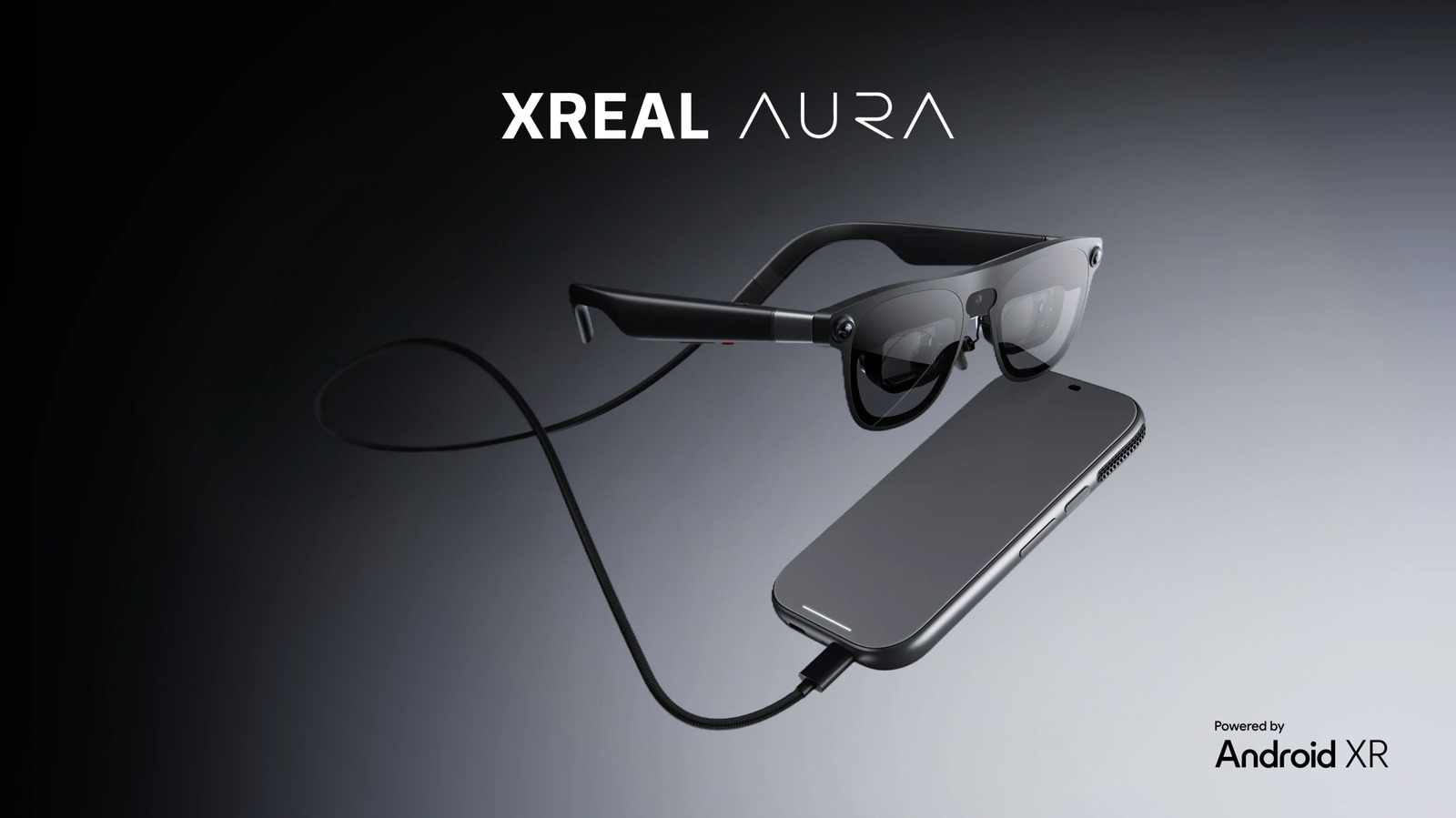
Xreal officially reveals its Android XR Aura glasses — without a pricetag
The company is taking paid reservations for a launch later this year. Xreal's first Android XR glasses will go on sale later this year, the company announced at the Augmented World Expo event in Lon…
Engadget — 16 June 2026
Text:
25
0
0
The company is taking paid reservations for a launch later this year. Xreal's first Android XR glasses will go on sale later this year, the company a
Read Full Story at Engadget →
⚡ Quickyla Analysis
Original editorial context — not sourced from the article above
The unveiling of Xreal’s Android XR Aura glasses at the Augmented World Expo signals more than just another wearable tech product hitting the market—it underscores a pivotal moment in the evolution of augmented reality hardware, where the lines between smartphones, AR glasses, and standalone computing devices are increasingly blurring. Unlike traditional VR headsets or niche AR wearables, Xreal’s move into Android-based extended reality (XR) glasses suggests a strategic pivot toward mainstream adoption, leveraging the ubiquity of Android’s operating system to lower barriers to entry. This approach could democratize AR experiences, making them accessible to developers and consumers alike without the need for proprietary ecosystems like Apple’s Vision Pro or Meta’s Quest.
What makes this announcement particularly noteworthy is the absence of a price tag. In an industry where high costs have historically stifled growth—even for premium devices like the Vision Pro—Xreal’s decision to withhold pricing until closer to launch is a calculated gamble. It hints at a pricing strategy aimed at undercutting competitors while also testing the market’s appetite for mid-range AR glasses. The company’s reliance on paid reservations further suggests confidence in pre-launch demand, though it also raises questions about whether the final product will deliver on performance expectations at an accessible price point.
Looking ahead, the Android XR Aura glasses could serve as a litmus test for the broader XR market. If successful, they may accelerate adoption of AR wearables beyond gaming and enterprise, into everyday use cases like navigation, productivity, and social interaction. Yet critical questions remain: How will Xreal address battery life and thermal management in a compact form factor? Will developers embrace Android XR as a viable platform, or will fragmentation hinder growth? The answers could shape whether AR glasses remain a niche accessory or become the next computing paradigm. For now, Xreal’s move is a bold step toward redefining how we interact with digital and physical spaces—but the true test lies in execution and consumer reception.
Sources

💻 Technology
You can now beat ChatGPT Codex rate limits, if you have friends

💻 Technology
Meta is reportedly developing an AI pendant

💻 Technology
Coders are refusing to work without AI — and that could come back to bite them

💻 Technology
Cash App made a magic wand for contactless payments

💻 Technology
Hackers hijacked Instagram accounts by tricking Meta AI support chatbot into granting access

💻 Technology
Asus gives the ROX Xbox Ally the OLED screen it deserves

