Zelenskyy angers Poland with WWII-era name for army unit
On May 26, Ukrainian President Volodymyr Zelenskyy issued a decree that a special forces unit of the Ukrainian army was being given the honorary name Heroes of the UPA, explaining that it was "to res…
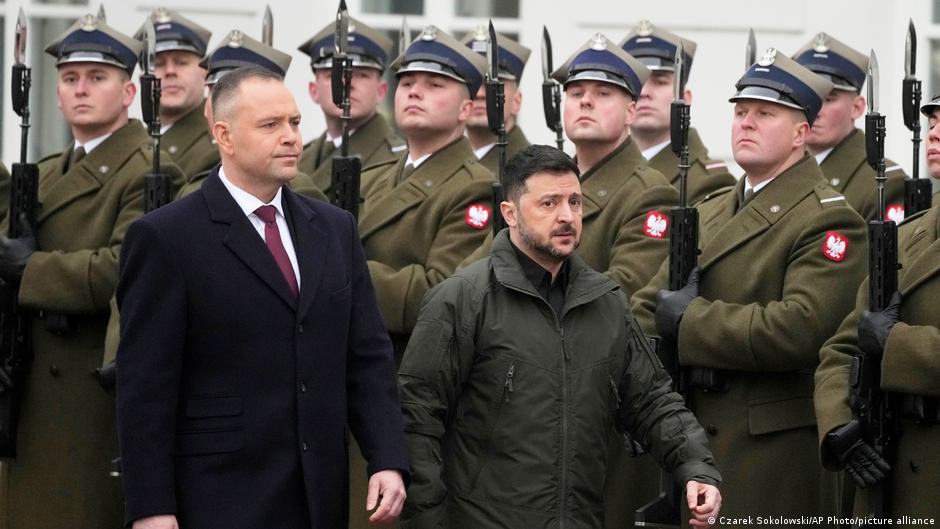
On May 26, Ukrainian President Volodymyr Zelenskyy issued a decree that a special forces unit of the Ukrainian army was being given the honorary name
Read Full Story at DW World →Why This Matters
The naming of a Ukrainian special forces unit after the controversial Ukrainian Insurgent Army (UPA) risks inflaming already tense relations with Poland, a key ally in the war effort. This move underscores how historical grievances continue to shape modern geopolitics, particularly as Ukraine seeks to rally Western support against Russia. It also highlights the delicate balance Kyiv must strike between unifying domestic narratives and preserving fragile international partnerships.
Background Context
During World War II, the UPA fought both Nazi occupiers and Soviet forces, but its legacy is fiercely contested due to its alleged collaboration with Nazi Germany and involvement in ethnic violence, particularly against Poles. Poland has long viewed the UPA as a criminal organization, while in Ukraine, some factions revere it as a resistance movement against Soviet oppression. The decree reflects Zelenskyy’s efforts to strengthen national identity amid war, but it also risks alienating a crucial NATO partner.
What Happens Next
Poland’s expected diplomatic backlash could strain bilateral cooperation, just as Kyiv depends on Warsaw for military aid, refugees, and lobbying efforts in Brussels. Zelenskyy may face pressure to walk back the decree or reframe its justification, but any retreat could alienate nationalist factions in Ukraine. Observers should watch for statements from Warsaw, potential EU mediation, and whether this escalates into a broader dispute over historical memory in Central Europe.
Bigger Picture
This controversy fits a pattern of historical memory wars reshaping Eastern Europe, where competing narratives of victimhood and resistance fuel modern conflicts. As Ukraine fights to preserve its sovereignty, it must navigate the legacy of its past, which both unites and divides its people and allies. The episode also signals how wartime leaders may weaponize history to solidify domestic legitimacy, even at the cost of international trust.







