🌍 World News
Live
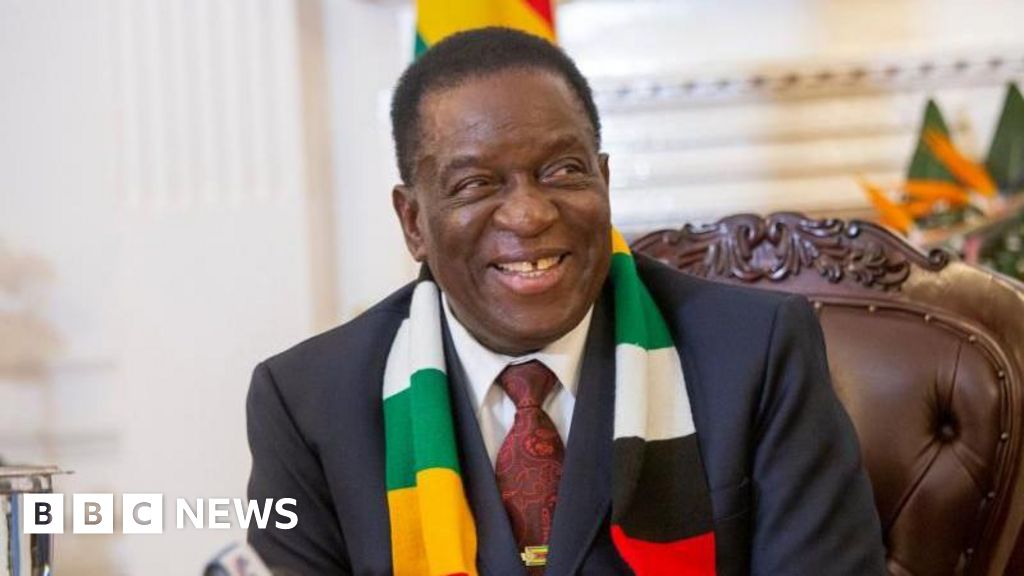
Zimbabwe MPs pass bill to extend president's time in power
Zimbabwe's lower house of parliament has passed a bill to extend presidential terms from five to seven years, which would allow President Emmerson Mnangagwa to remain in power until 2030. More than 2
BBC World News — 19 June 2026
Text:
22
0
0
Zimbabwe's lower house of parliament has passed a bill to extend presidential terms from five to seven years, which would allow President Emmerson Mna
Read Full Story at BBC World News →
⚡ Quickyla Analysis
Original editorial context — not sourced from the article above
The Zimbabwean Parliament’s passage of a bill extending presidential terms from five to seven years is more than just a procedural shift—it’s a calculated move that underscores the enduring fragility of the country’s democratic institutions. While the ruling ZANU-PF party frames the change as necessary for stability, the timing—just months after Mnangagwa secured re-election in a disputed vote—raises immediate concerns about the consolidation of executive power. Historically, Zimbabwe’s political landscape has been dominated by a single ruling party for decades, and this legislative maneuver could further entrench that dominance, particularly given the opposition’s weakened state after years of repression and fragmentation.
The broader significance lies in how this reflects a regional pattern of leaders extending their tenures beyond original constitutional limits. From Uganda’s Yoweri Museveni to Cameroon’s Paul Biya, African leaders have increasingly resorted to legal loopholes or constitutional tinkering to prolong their rule, often citing development as justification. In Zimbabwe’s case, the move also comes as Mnangagwa faces mounting economic pressures, including hyperinflation, unemployment, and fuel shortages, which have fueled public discontent. By extending his term, he may be prioritizing regime continuity over urgent reforms that could address these crises.
What remains unclear is whether this bill will clear the Senate without resistance or provoke a backlash from civil society or international observers. The opposition has already vowed to challenge the move, but its ability to mobilize dissent is limited by ongoing crackdowns on protesters and restrictions on political activity. Internationally, Zimbabwe’s relations with Western donors remain strained due to allegations of human rights abuses, complicating any potential pushback against the constitutional change.
This development is a reminder that even in post-Mugabe Zimbabwe, where Mnangagwa once promised a "new dispensation," the specter of authoritarian consolidation lingers. The next few months will reveal whether this is a temporary power grab or the latest step in a longer-term erosion of democratic norms across the continent.
Sources

🌍 World News
Man fleeing police attacked by alligator before continuing his getaway, Louisiana authorities say
🌍 World News
US crude exports hit record high in May as Iran war tightens global oil supplies

🌍 World News
Agitators outside Delaney Hall set up organized logistics operation before Newark protests began

🌍 World News
French doctors sound alarm over drinking water pollution

🌍 World News
Iran, Kuwait, Bahrain hit: Is the war in the Gulf escalating again?

🌍 World News
Four people trapped in flooded cave in Laos pulled to safety

