💰 Business
Live
Apple to raise prices due to memory chip costs
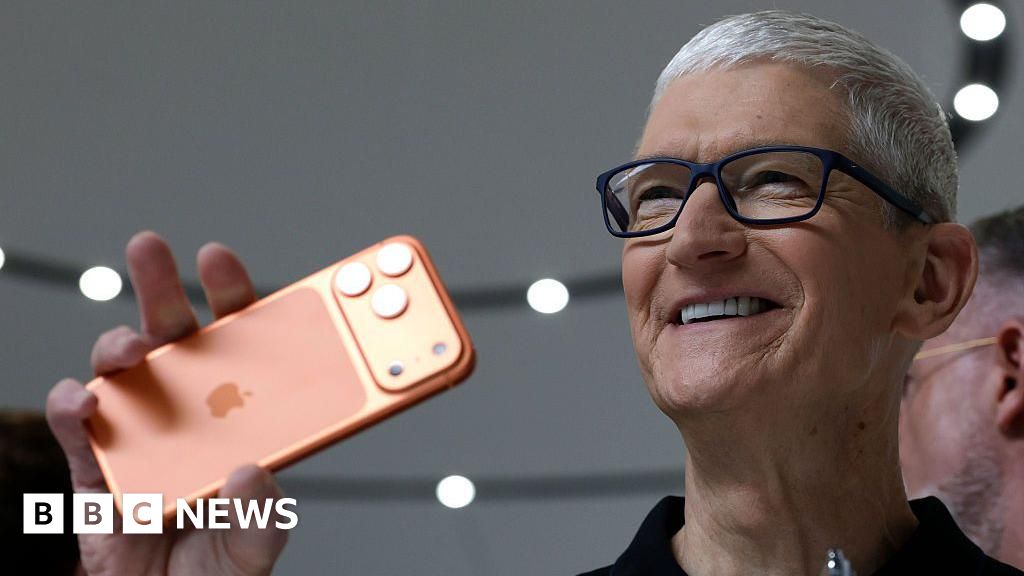
Apple plans to raise the prices of its products as the cost of the memory chips it uses has surged, the technology giant's boss has said. Tim Cook, Apple's outgoing chief executive, told The Wall St…
BBC Business — 17 June 2026
Text:
25
0
0
Apple plans to raise the prices of its products as the cost of the memory chips it uses has surged, the technology giant's boss has said. Tim Cook, A
Read Full Story at BBC Business →
⚡ Quickyla Analysis
Original editorial context — not sourced from the article above
Apple’s decision to raise prices in response to soaring memory chip costs reflects a broader squeeze on the tech industry, where supply chain disruptions and geopolitical tensions have steadily eroded profit margins. Memory chips—essential components in smartphones, laptops, and servers—have seen prices climb due to a confluence of factors: rising demand for AI-driven devices, inventory corrections after pandemic-era stockpiling, and a tightening supply of advanced semiconductors. The move underscores how even a cash-rich company like Apple, known for its pricing power, is now forced to pass costs onto consumers, signaling a potential inflection point in the tech sector’s long-standing ability to absorb supply shocks without raising prices.
This isn’t the first time Apple has adjusted prices in response to component costs, but the timing is notable. The company is navigating multiple challenges: a maturing smartphone market, regulatory scrutiny over its ecosystem, and an uncertain economic outlook. With Tim Cook’s tenure ending, the price hike also raises questions about legacy and strategy—whether this is a temporary adjustment or a sign of diminishing pricing flexibility as Apple’s product mix shifts toward pricier devices. Investors will be watching closely to see if higher prices dampen demand, particularly in key markets like China, where price sensitivity remains high.
Longer term, the move highlights a structural issue for the tech industry: the concentration of memory chip production in a few key players, primarily in Asia. Geopolitical risks—such as U.S.-China trade tensions or potential disruptions in Taiwan, home to TSMC and other critical suppliers—could keep chip costs volatile. Apple’s decision may prompt competitors to follow suit, accelerating a broader trend of price normalization after years of deflation in consumer electronics. For consumers, this could mean a shift away from the era of ever-cheaper gadgets, with higher prices becoming the new norm in a supply-constrained world. How the market responds will hinge on whether demand remains resilient or if economic pressures finally force a slowdown in tech spending.
Sources

💰 Business
How 'confused' AI rollout hurts firms and baffles staff

💰 Business
OpenAI let ChatGPT aid and abet mass shooters, Florida lawsuit claims

💰 Business
AI giant Anthropic announces plans to list on US stock market

💰 Business
Caribbean hot sauce producers warn of shortages and higher prices

💰 Business
Bill debt soars but many don't know help is available

💰 Business
Ferrari wanted to take on Chinese EVs with the Luce - then the backlash started

