Israel captures a key Lebanon site, crossing Litani River in deepest incursion in 26 years
Israeli forces crossed the Litani River, capturing a strategic mountain in southern Lebanon—the deepest incursion in 26 years—amid escalating clashes with Hezbollah since October 7. The move, condemn…
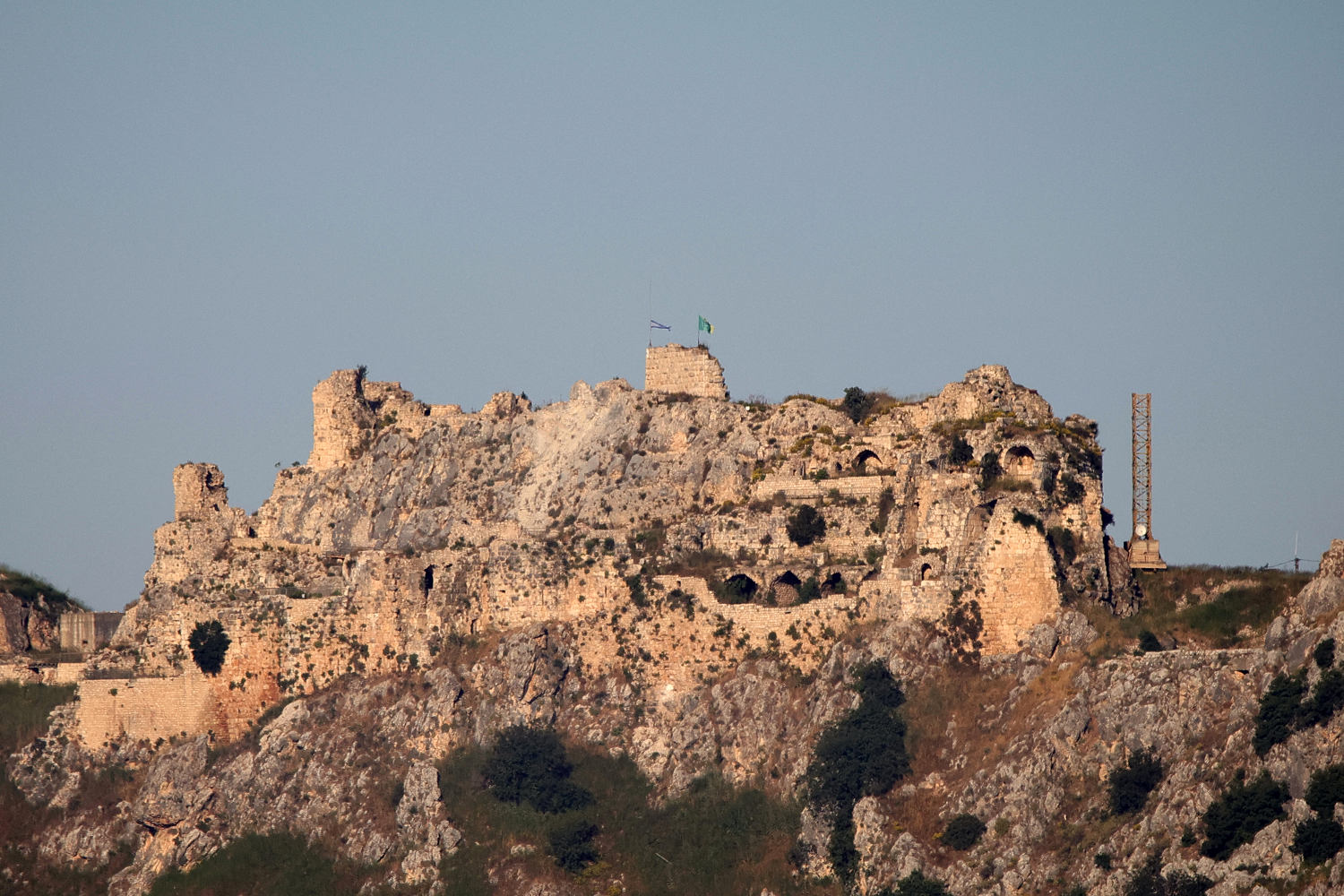
Israeli forces have crossed the Litani River and captured a strategic mountain in southern Lebanon, marking the deepest incursion into Lebanese territ
Read Full Story at NBC News →Why This Matters
The Israeli incursion beyond the Litani River represents a deliberate escalation in a conflict that has largely simmered below full-scale war since October 7. By targeting a high-altitude position in southern Lebanon, Israel is not only asserting its ability to project force deep into Hezbollah’s traditional strongholds but also signaling a willingness to challenge the militia’s dominance in the region—something unthinkable in recent decades.
Background Context
Since the 2006 Lebanon War, the Litani River has served as an unofficial buffer, with UNIFIL and Lebanese Armed Forces tasked with preventing large-scale Israeli operations south of the river. The river’s strategic value lies in its geography—its northern banks provide elevated terrain that dominates southern Lebanon, making it a critical vantage point for both surveillance and offensive operations. This week’s incursion breaches a de facto red line that has held for nearly three decades.
What Happens Next
Israel’s move could force Hezbollah into a direct confrontation it has long avoided, testing the militia’s resolve to defend its southern heartland. Alternatively, it may prompt a calibrated retaliation—such as rocket strikes on northern Israel—designed to inflict damage without provoking a full Israeli ground campaign. Either way, the risk of escalation is now significantly higher, with both sides forced to confront the possibility that this incursion was not merely symbolic.
Bigger Picture
This operation reflects a broader shift in Israel’s military strategy, where the calculus of limited war has given way to more aggressive preemptive actions against perceived threats. It also underscores the erosion of Lebanon’s sovereignty, where Hezbollah’s armed presence has increasingly blurred the line between state and non-state actors, leaving Beirut unable to enforce its own territorial integrity.