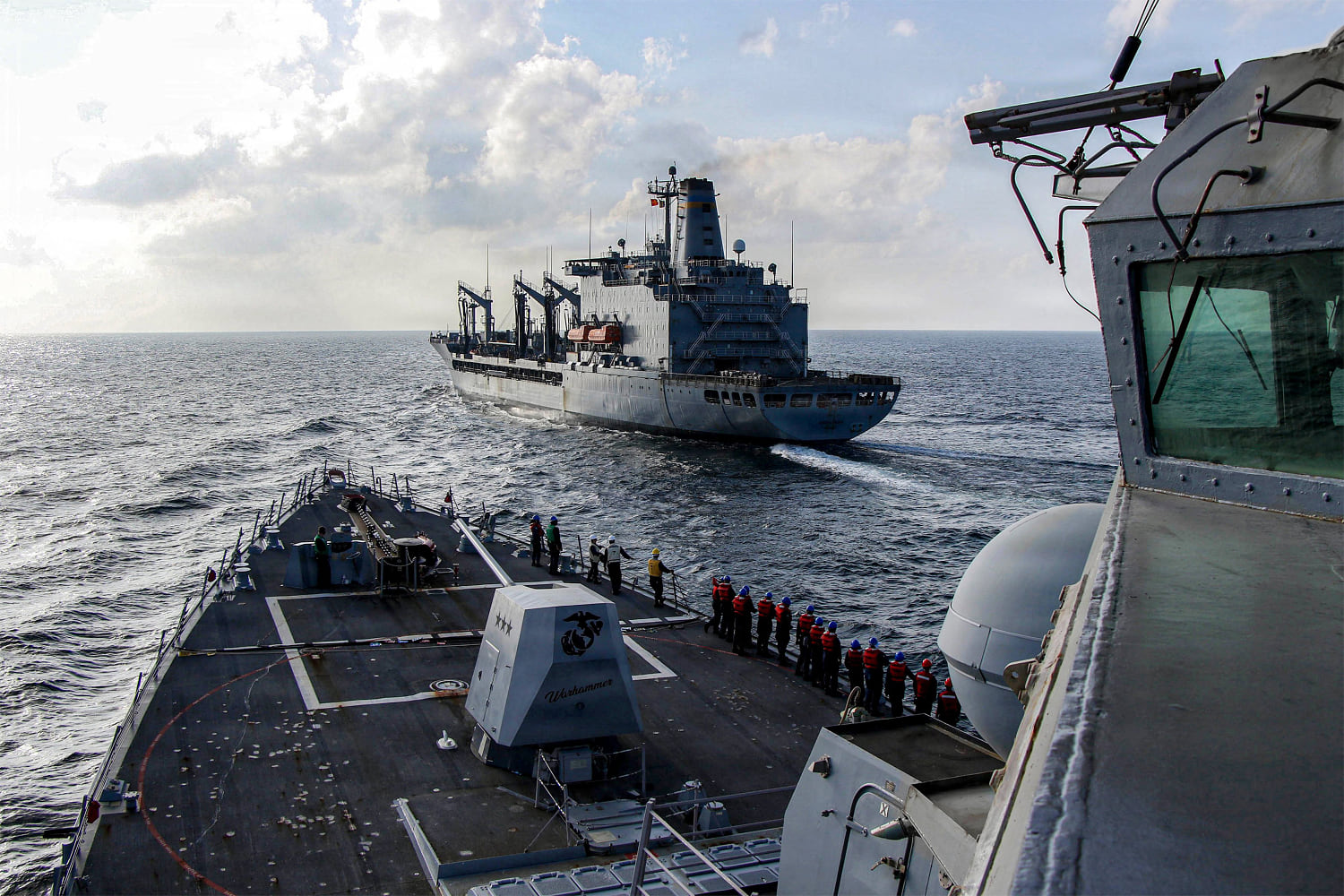
U.S. strikes Iranian drone and radar sites
The U.S. struck Iranian radar and drone sites in self-defense, while Iran retaliated by targeting a U.S. air base, escalating tensions despite ongoing indirect diplomacy. This cycle of retaliation ri…
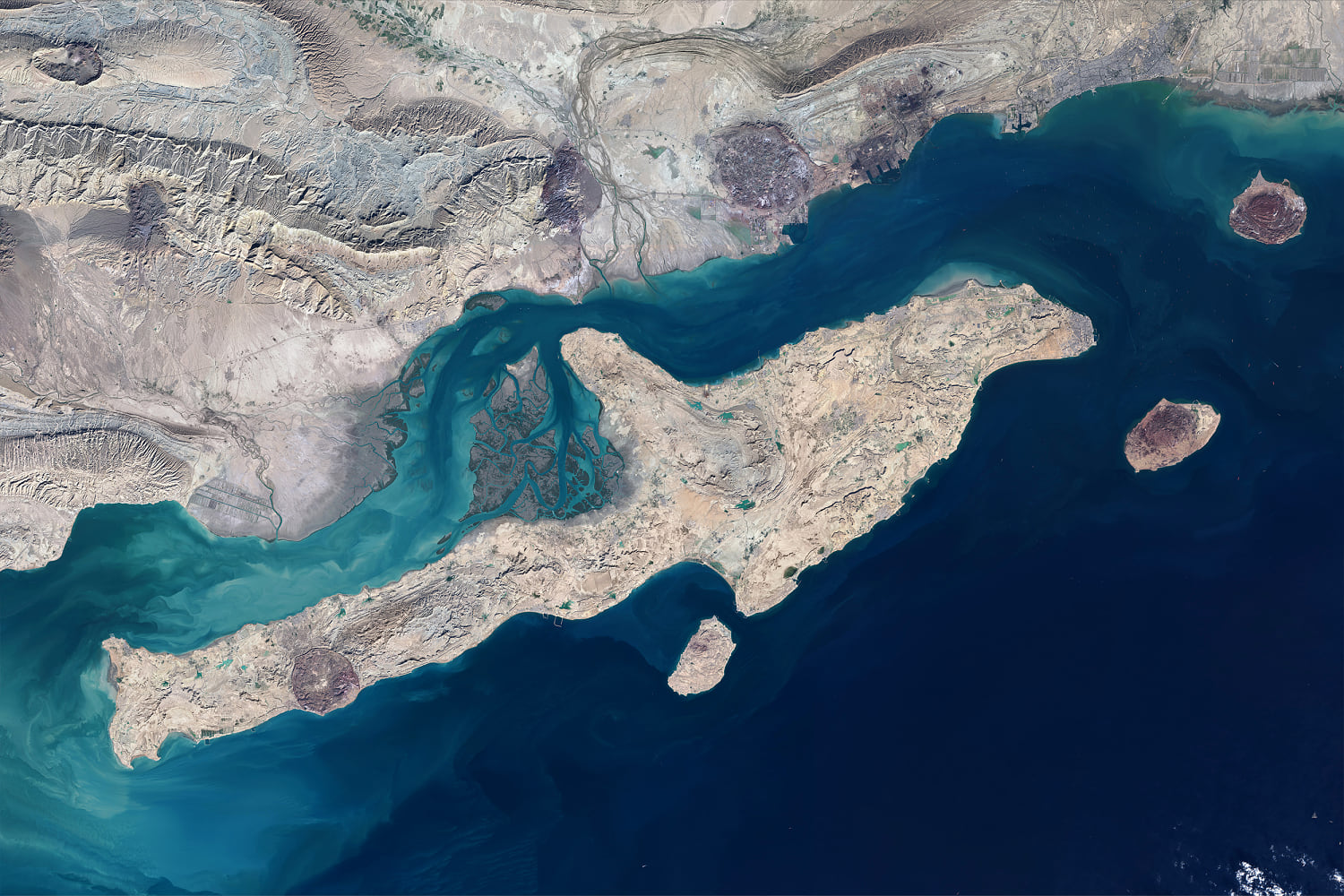
The U.S. military launched strikes on Iranian radar and drone control sites over the weekend, saying the action was in self-defense after escalating t
Read Full Story at NBC News →Why This Matters
The latest exchange underscores how quickly proxy conflicts can spiral into direct confrontation, even amid diplomatic efforts to de-escalate. It signals a dangerous inflection point where conventional military responses are being framed as self-defense, potentially normalizing a cycle of retaliation that could spill beyond regional boundaries.
Background Context
The U.S.-Iran standoff has roots in decades of covert operations and asymmetric warfare, where drones and radar systems have become proxies for power projection. Recent indirect talks between Washington and Tehran had raised cautious optimism, but covert strikes and retaliatory attacks reveal the fragility of such channels when hardliners on both sides retain levers of military pressure.
What Happens Next
The coming days will test whether this tit-for-tat escalation triggers a broader regional response or if both sides retreat to calibrated deterrence. Watch for signals from regional allies—particularly Israel and Gulf states—as their reactions could determine whether this remains a contained skirmish or fractures into a wider confrontation.
Bigger Picture
This episode fits a pattern of shadow wars where drones and precision strikes replace conventional conflict, blurring lines between retaliation and provocation. It also highlights how technological asymmetries in modern warfare are reshaping deterrence, forcing adversaries to balance escalation with the risk of unintended escalation beyond their control.