Choose Language
Select a language for news translation.

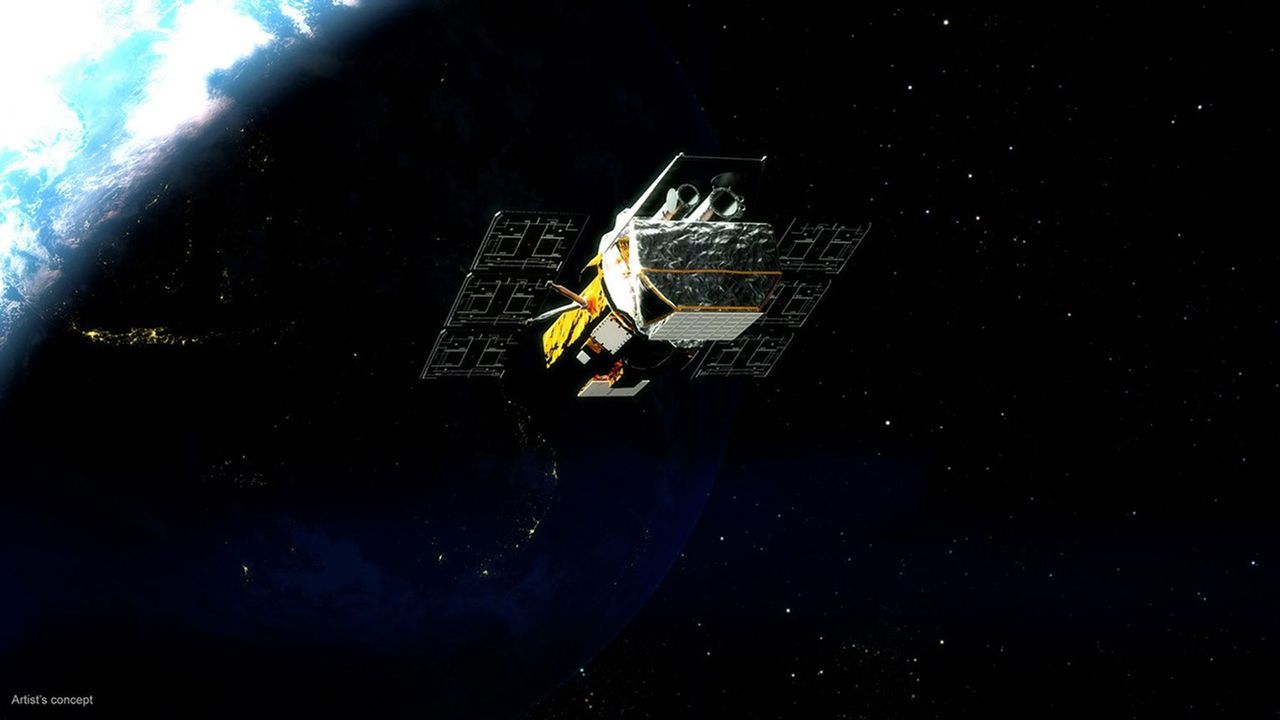
NASA is attempting a risky maneuver to raise the Swift Observatory's orbit before it falls to Earth in 2025, as the telescope, launched in 2004 to study gamma-…

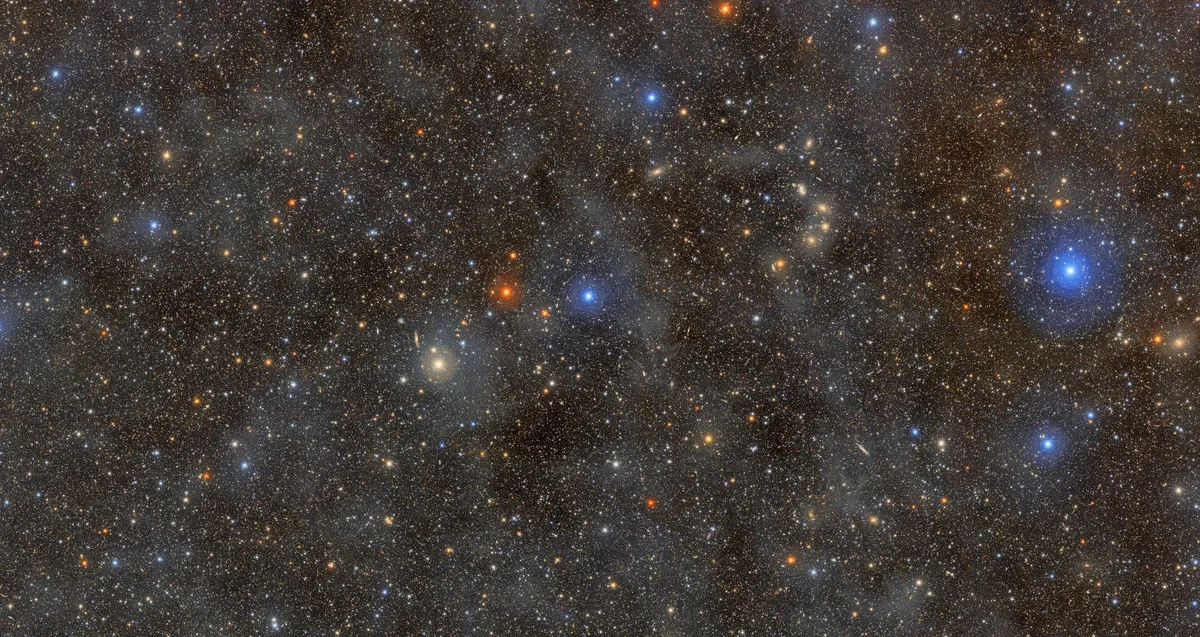
The Euclid space telescope captured the most detailed image yet of the Milky Way's center, revealing over 60 million stars packed into its dense core. This unp…

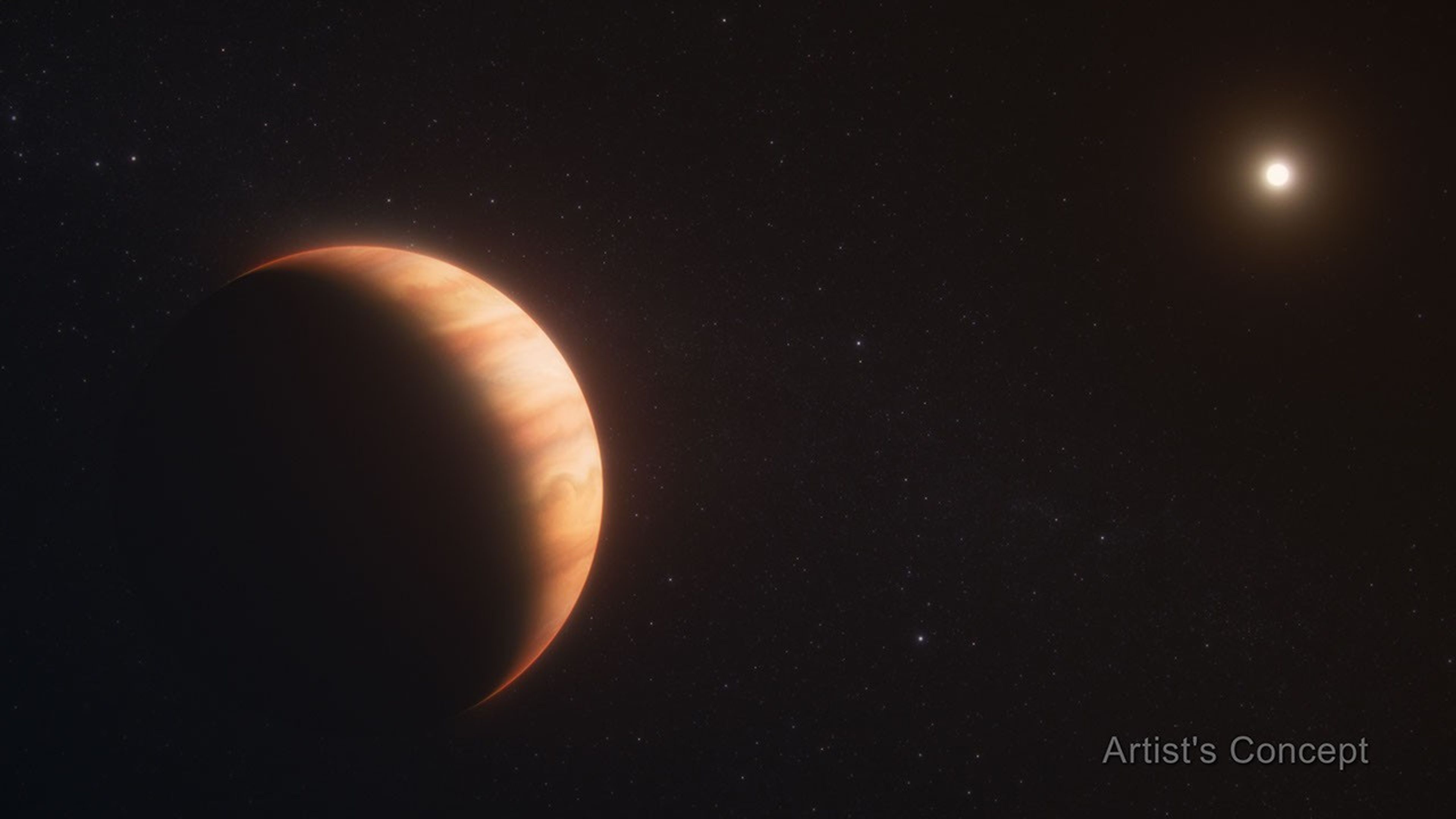
Astronomers discovered two "super-puff" exoplanets, TOI-421 b and TOI-421 c, each with densities lower than cotton candy, challenging current planet formation …

NASA will launch LINK on a Pegasus rocket Tuesday to boost the aging Swift telescope’s orbit, extending its life. This mission tests in-space servicing to save…

The Hubble Space Telescope discovered the "Chandelier Cluster," an ancient globular cluster in the Milky Way, has formed stars in two separate bursts—12 billio…
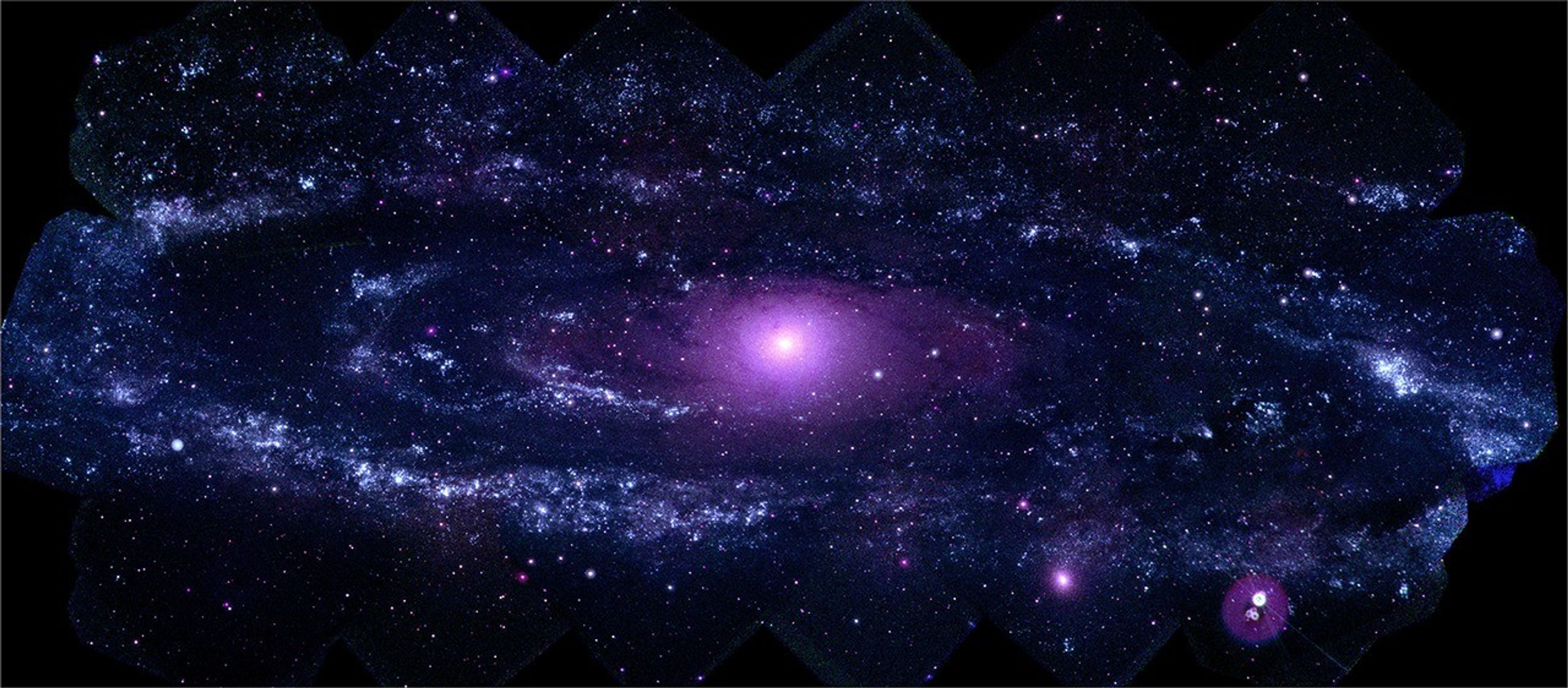
NASA and Northrop Grumman will launch the Swift Boost Mission on June 30 to raise the Swift observatory's orbit by 30 miles, extending its operational life by …
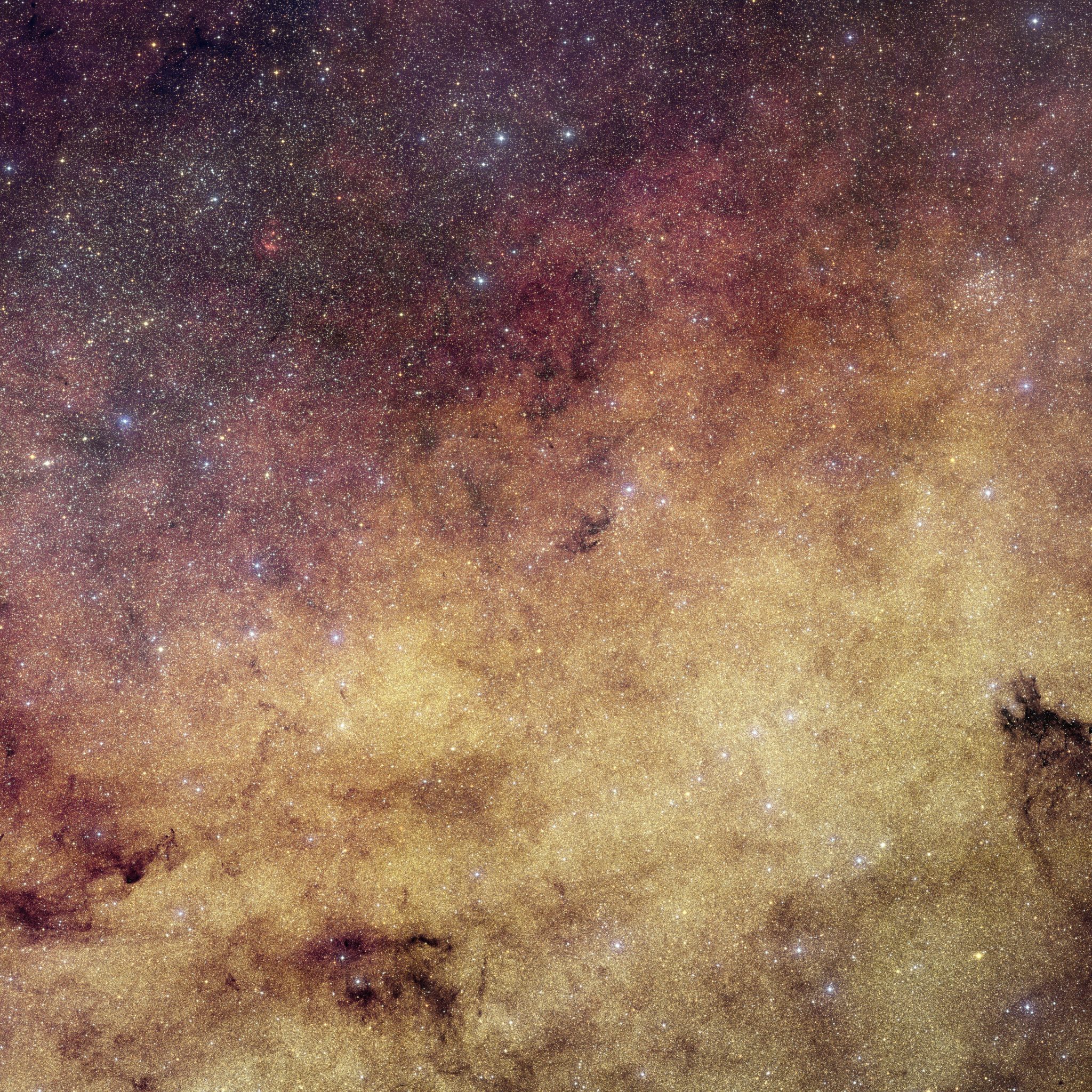
Euclid’s infrared image exposes the Milky Way’s crowded center in never-before-seen detail, letting scientists study star birth and black holes through the dus…
Astronomers have mistaken planes for Mars and satellites for new cosmic objects due to atmospheric tricks and signal interference. These errors highlight the n…
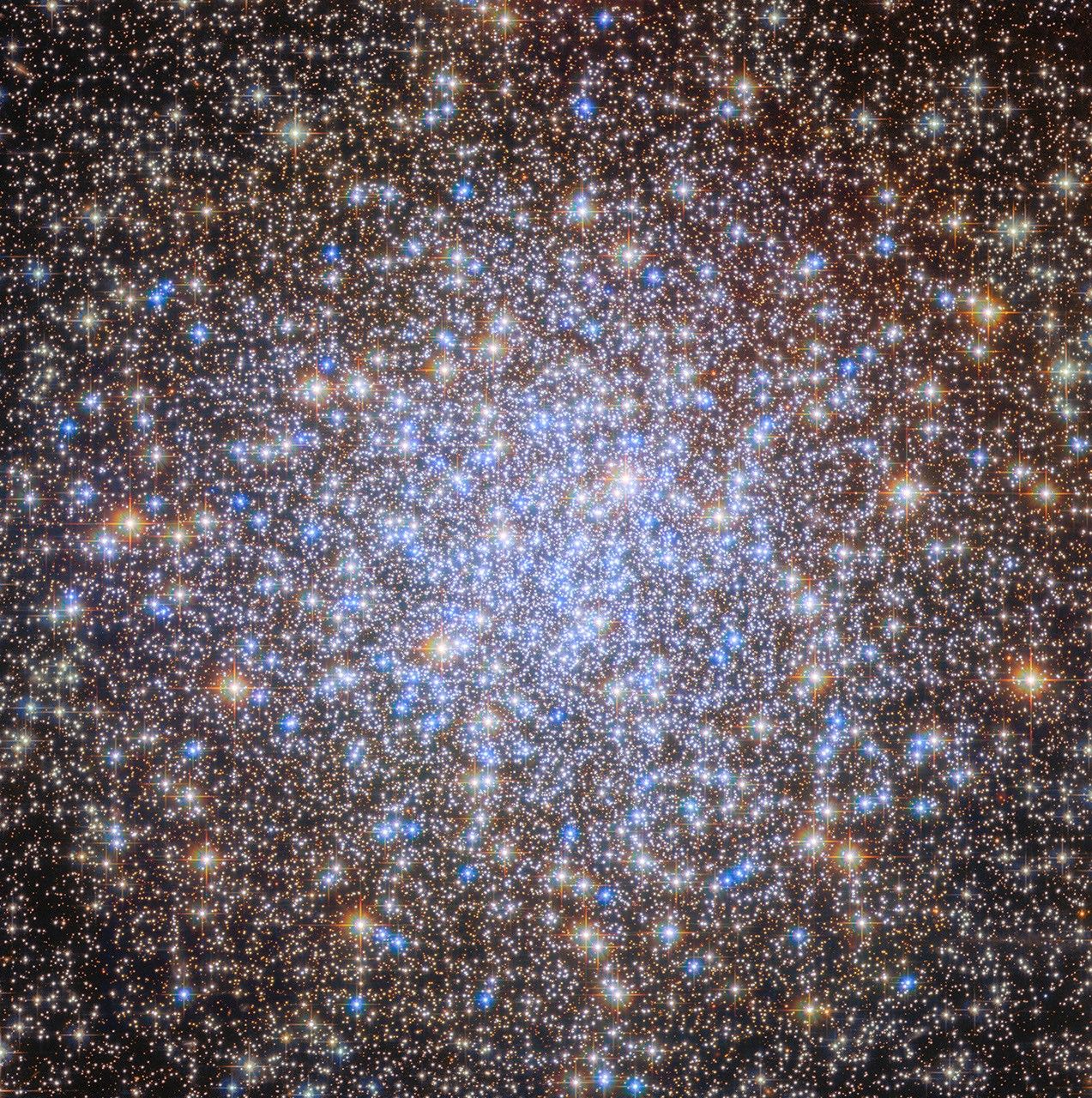
The Hubble Space Telescope captured an image of the globular cluster NGC 6723, 28,000 light-years away, revealing thousands of ancient stars packed tightly by …
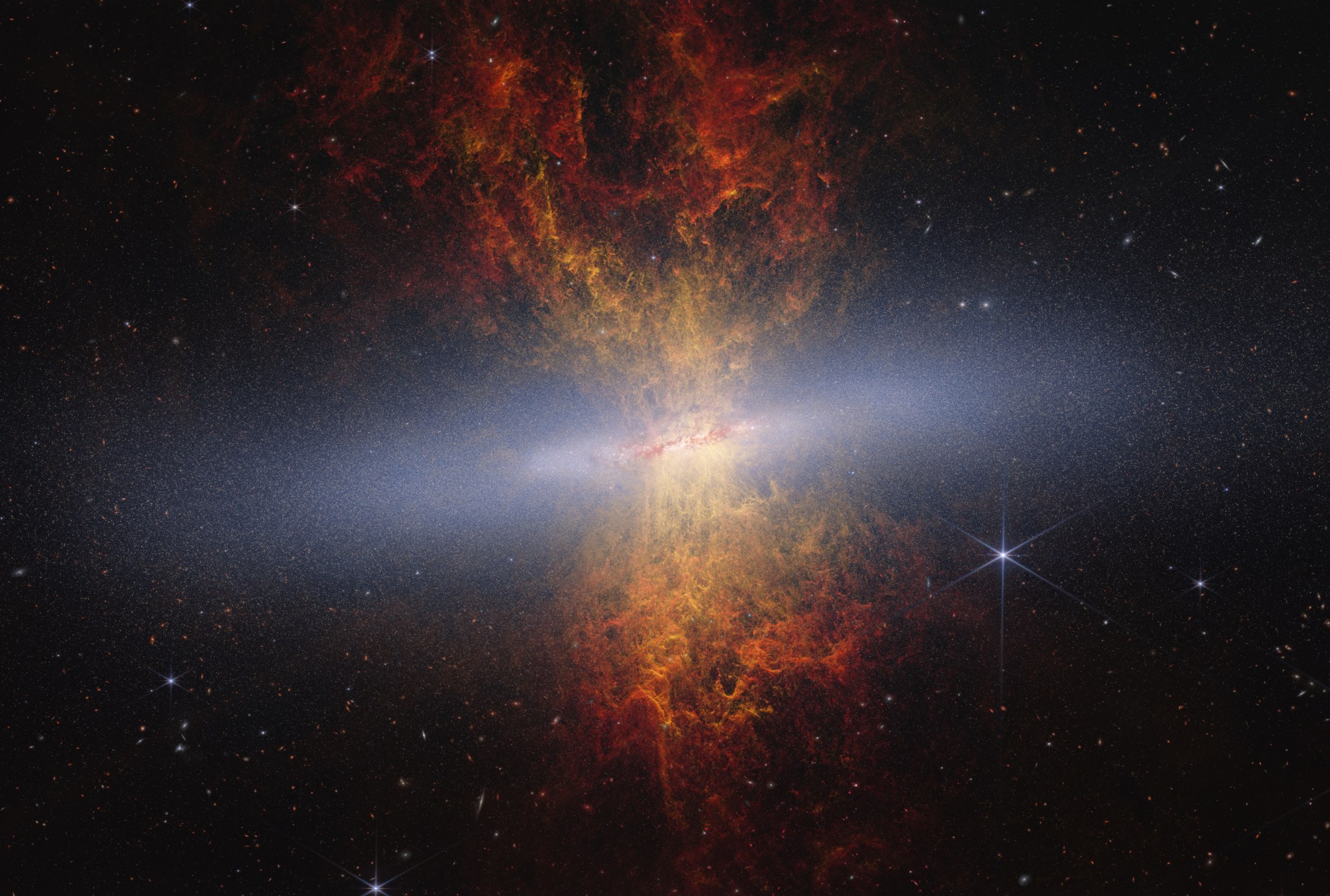
The James Webb Space Telescope revealed millions of stars in the Cigar Galaxy (M82), 12 million light years away, using infrared sensors to see through dust. T…
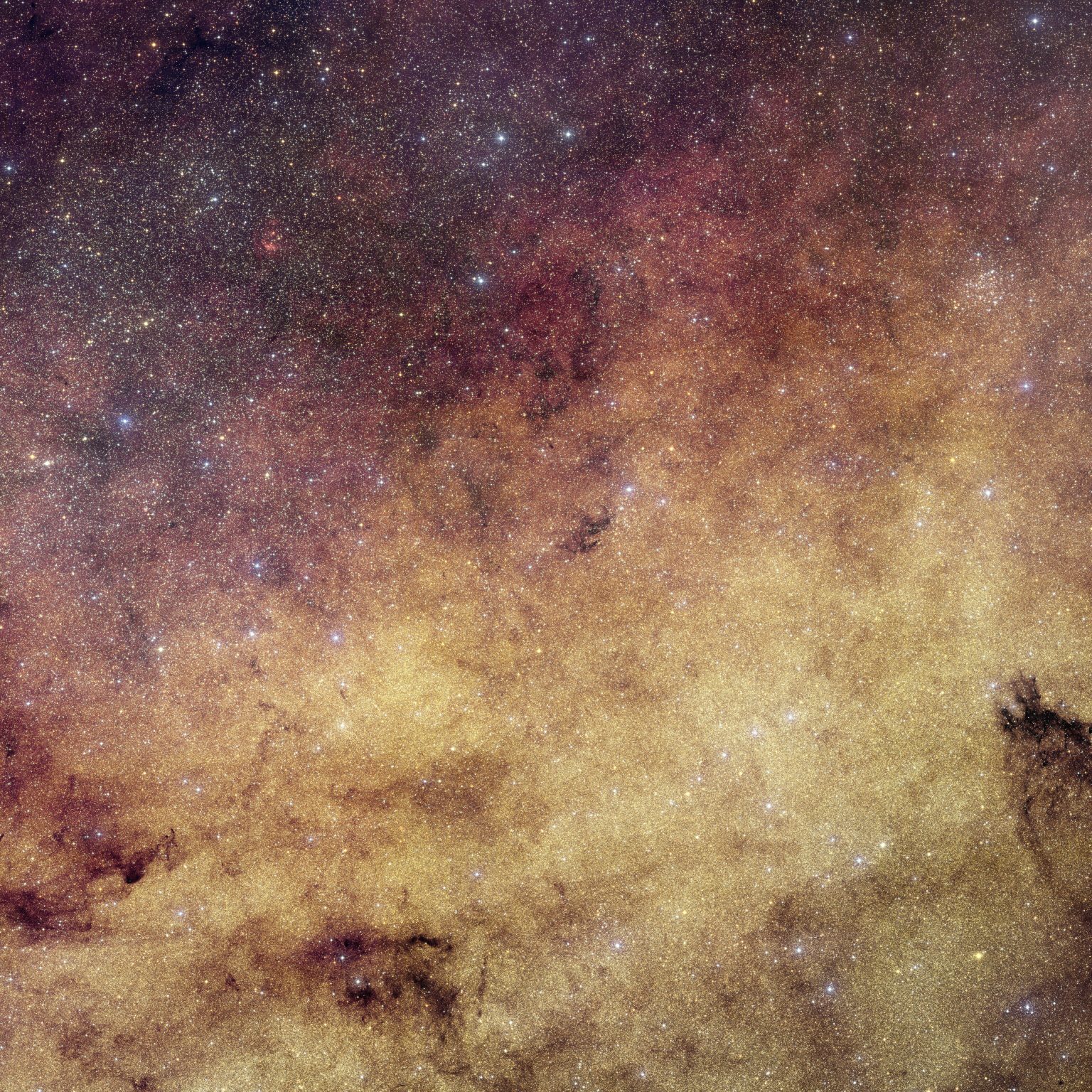
Euclid’s infrared image of the Milky Way’s core reveals stars, star-forming regions, and rogue planets through cosmic dust, providing critical data for Roman’s…