💰 Business
Live
'We had to get out of the way': The backlash over delivery robots
The first time Chicago resident John Roberts saw a delivery robot trundling down the sidewalk on his street he was impressed. "I actually thought they were kind of neat – it felt futuristic," he say…
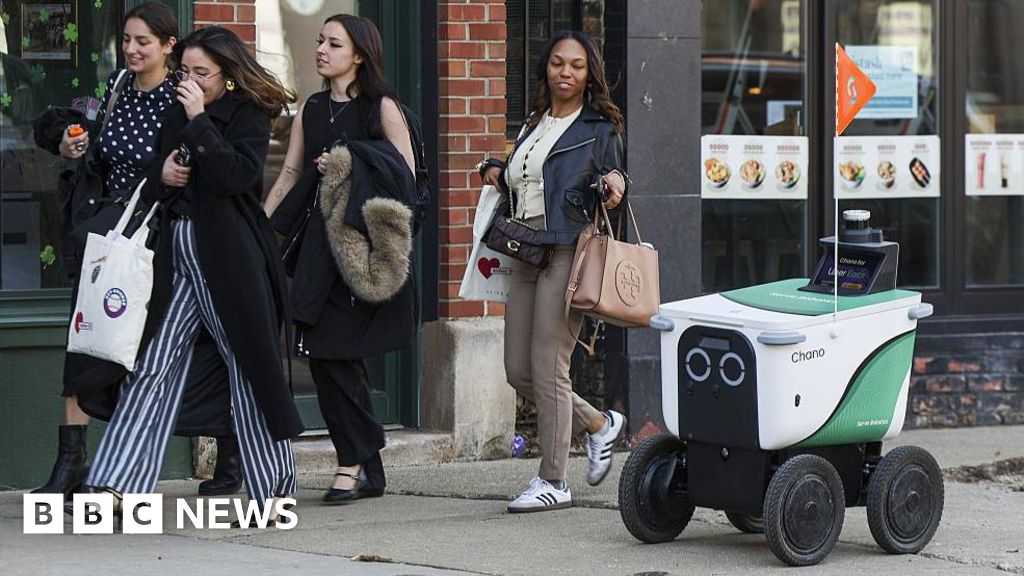
BBC Business — 17 June 2026
Text:
25
0
0
The first time Chicago resident John Roberts saw a delivery robot trundling down the sidewalk on his street he was impressed. "I actually thought the
Read Full Story at BBC Business →
⚡ Quickyla Analysis
Original editorial context — not sourced from the article above
The rise of delivery robots on public sidewalks—once a novelty that elicited curiosity—has quickly become a flashpoint in the debate over how technology should integrate into everyday urban life. What began as a seemingly innocuous experiment in efficiency has exposed deep tensions between innovation, public space, and governance. The backlash isn’t just about the robots themselves; it’s about who gets to decide what belongs in the shared infrastructure of cities. Sidewalks have long been treated as communal commons, but as autonomous machines encroach on them, the question of ownership and control takes on new urgency. These robots, often deployed by startups under the banner of convenience, are challenging long-standing norms about public space and municipal oversight.
Behind the controversy lies a broader shift in how cities are managed—and who holds the levers of power. Delivery robots emerged from a wave of tech optimism that framed automation as an inevitable and even benign force. Yet their presence has revealed how quickly local governments can be sidelined in decisions that directly affect residents. Many cities lack clear regulations governing sidewalk robots, leaving pedestrians and small businesses to navigate a patchwork of policies that often favor corporate interests over community needs. The frustration isn’t just about the robots blocking walkways; it’s about the sense that decisions are being made without meaningful input from those who have to live with the consequences.
What happens next could set a precedent for how other emerging technologies—from autonomous vehicles to drone deliveries—are adopted. Will cities impose stricter rules, or will they cede control to tech companies in the name of progress? The outcome will depend on whether public backlash forces a reckoning with the unchecked expansion of privatized solutions in public spaces. Meanwhile, for residents like John Roberts, who once found the robots novel, the shine has worn off. The novelty has given way to frustration, and the question now isn’t just about what these machines do—but who they’re really for.
Sources

💰 Business
How 'confused' AI rollout hurts firms and baffles staff
💰 Business
OpenAI let ChatGPT aid and abet mass shooters, Florida lawsuit claims
💰 Business
AI giant Anthropic announces plans to list on US stock market
💰 Business
Caribbean hot sauce producers warn of shortages and higher prices
💰 Business
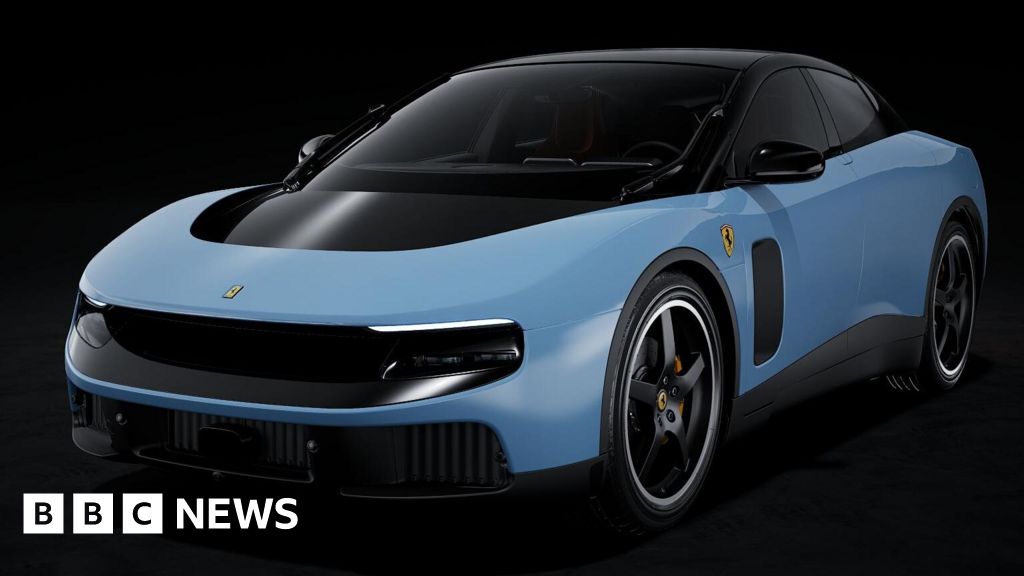
Ferrari wanted to take on Chinese EVs with the Luce - then the backlash started

💰 Business
Bill debt soars but many don't know help is available

