US strikes Iran after Hormuz vessel attack
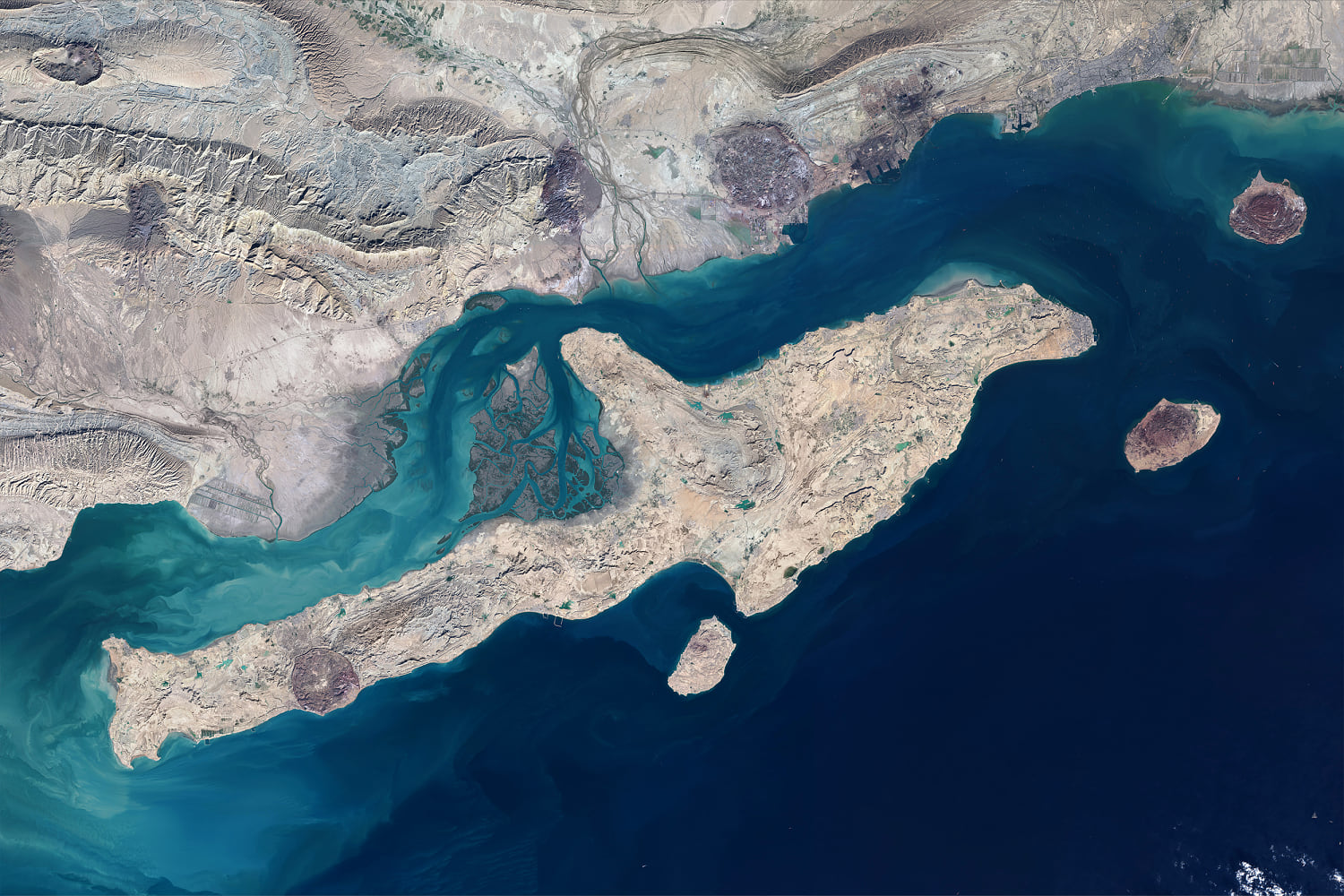
The U.S. launched strikes on Iran after Iran targeted a U.S. military vessel in the Strait of Hormuz, escalating tensions in a critical oil shipping lane. This raises the risk of a broader conflict si

The U.S. launched strikes against Iran after Tehran’s Revolutionary Guard Corps (IRGC) targeted an American military vessel in the Strait of Hormuz, e
Read Full Story at Al Jazeera →Why This Matters
The latest escalation in the Strait of Hormuz underscores how regional proxy conflicts are increasingly intersecting with direct military brinkmanship, threatening to pull global powers into a destabilizing spiral. With oil prices already sensitive to geopolitical risk, this confrontation risks a supply shock that could ripple through an energy market still recovering from past disruptions—while testing whether deterrence strategies in the Middle East remain effective.
Background Context
For decades, the Strait of Hormuz has been a flashpoint due to its role as a chokepoint for roughly 20% of the world’s oil supply, making it a prime target for asymmetric tactics by Iran-backed forces. The U.S. has maintained a deterrent presence through naval patrols and partnerships with Gulf allies, but recent shifts in Iran’s proxy network—including tighter coordination with Yemen’s Houthis and Iraqi militias—have blurred the lines between state and non-state threats, complicating response calculations.
What Happens Next
Expect Iran to respond asymmetrically, likely through proxy attacks on shipping or regional allies rather than direct confrontation, while calibrating its rhetoric to avoid triggering a full-scale war. The U.S. may now face pressure to escalate further, particularly if additional vessels are targeted, but risks miscalculation in an environment where both sides are operating with limited room for diplomatic off-ramps. Watch for shifts in Gulf state neutrality, as regional players may reassess their security partnerships amid fears of spillover.
Bigger Picture
This incident reflects a broader erosion of informal red lines in the Middle East, where tit-for-tat strikes are becoming the norm rather than the exception. As Iran’s nuclear program inches closer to a breakout capacity and U.S. election-year politics amplify the stakes, the region is entering a phase where localized conflicts could rapidly escalate—underscoring the need for crisis communication channels that haven’t yet been tested in this new era of hybrid warfare.