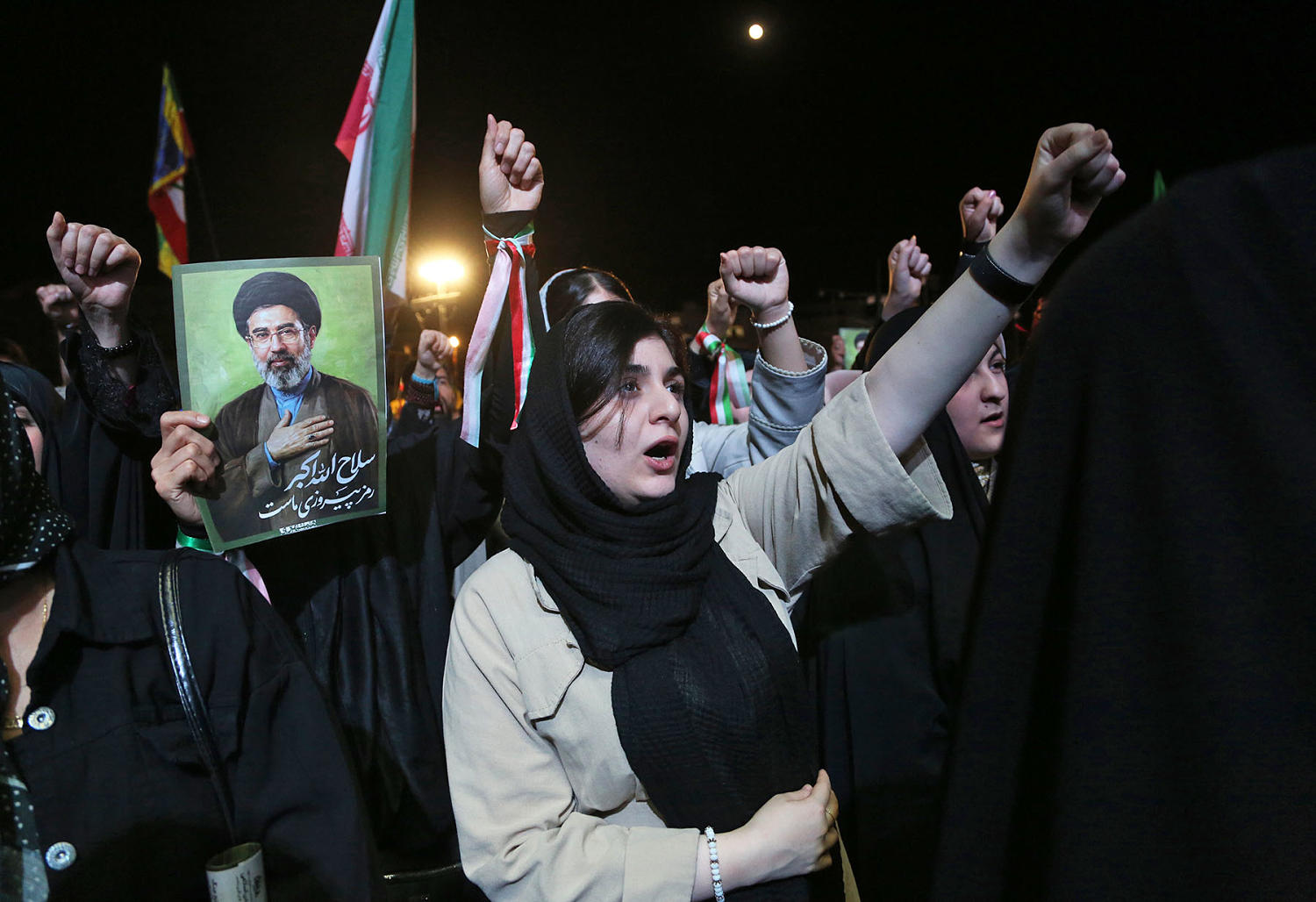
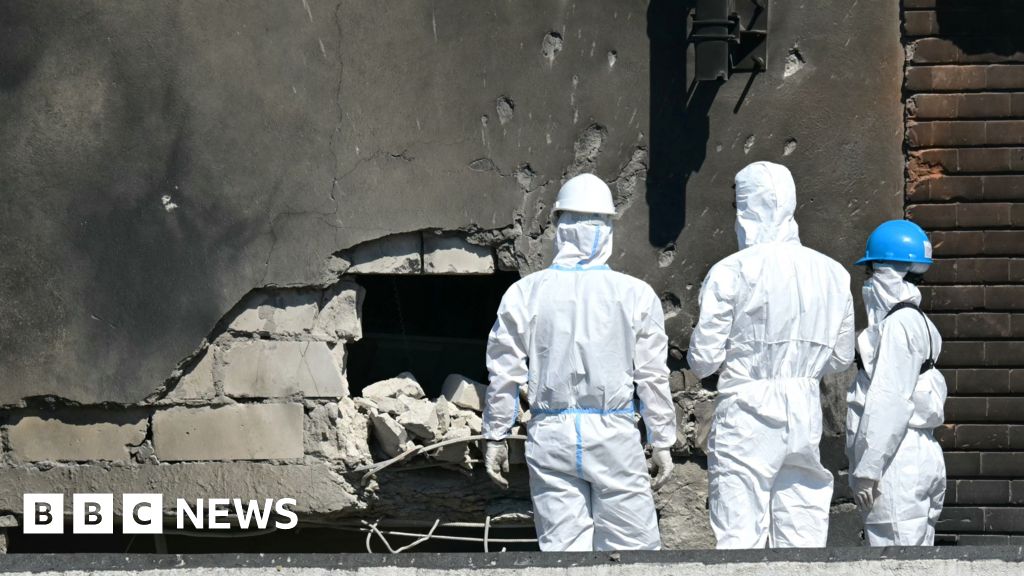
Netanyahu orders strikes on Beirut suburbs
Israel’s airstrikes on Beirut’s southern suburbs, targeting Hezbollah positions, escalate the Israel-Hezbollah conflict, risking a broader regional war and further destabilizing Lebanon’s already fra…
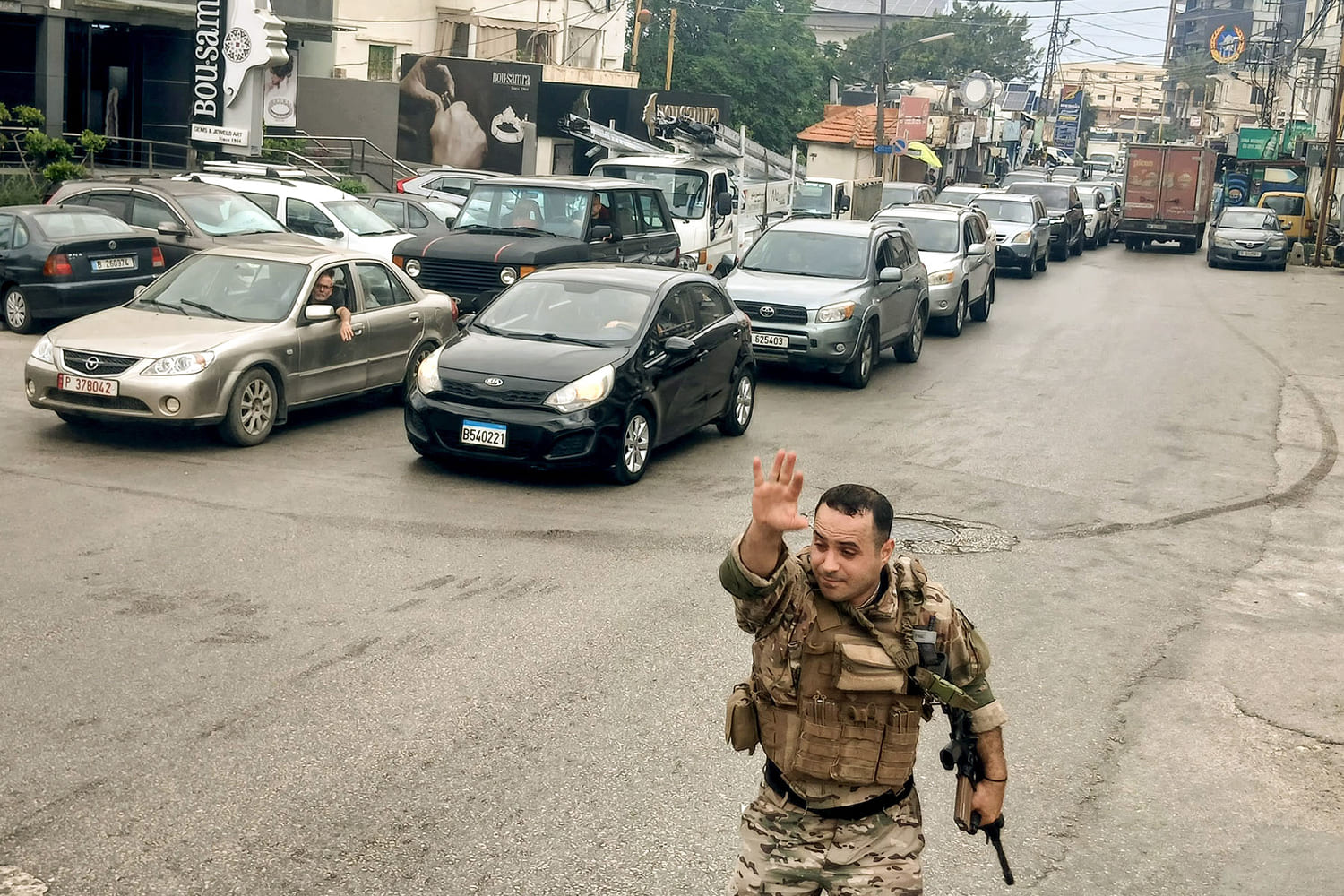
Israeli Prime Minister Benjamin Netanyahu ordered airstrikes on Hezbollah-controlled neighborhoods in Beirut’s southern suburbs on Monday, escalating
Read Full Story at NBC News →Why This Matters
The escalation in Beirut’s southern suburbs isn’t just another round of cross-border strikes—it represents a deliberate Israeli strategy to reassert deterrence against Hezbollah while testing the limits of Iran’s regional proxy network. The targeting of densely populated areas underscores the high stakes: this is no longer a war confined to the Israeli-Lebanese border but a potential inflection point in Tehran’s shadow war against Tel Aviv. With civilian casualties mounting, the strikes could either force Hezbollah into a humiliating withdrawal or provoke a retaliatory strike that crosses Israel’s red lines.
Background Context
Southern Beirut has long been a Hezbollah stronghold, a fact cemented during the 2006 war when Israel’s inability to dismantle the group led to a hollow victory. Decades of Iranian funding and military training have transformed the suburb into a de facto military installation, dotted with underground tunnels and rocket launchers. Lebanon’s economic collapse and political paralysis have further weakened the state’s control, leaving Hezbollah as the dominant armed force in the area—a situation Israel now appears determined to disrupt.
What Happens Next
If Hezbollah responds with a barrage of long-range missiles, Israel may escalate with ground incursions or strikes on strategic infrastructure like power plants, risking a full-scale war. The U.S. and European powers will face mounting pressure to mediate, but their influence over both parties is limited. Meanwhile, Lebanon’s already teetering economy could collapse under the weight of new sanctions or a mass exodus of refugees fleeing the fighting.
Bigger Picture
This confrontation fits a pattern of Israel’s preemptive strikes against Iran’s proxies, from Gaza to Syria, designed to degrade their capabilities before they can open a new front. Yet the pattern also reveals a dangerous cycle: each escalation invites a reciprocal response, narrowing the space for diplomacy. As Iran’s nuclear program advances and Saudi-Israel normalization talks stall, the region appears trapped in a cycle of deterrence and retaliation with no clear off-ramp.