US strikes Iran after Strait of Hormuz drone attack
The U.S. launched airstrikes on Iranian military targets after blaming Iran for a drone attack on a commercial ship in the Strait of Hormuz, violating a ceasefire. This risks escalating tensions and d

The United States launched airstrikes against Iranian military targets on Friday after President Donald Trump said a drone attack on a commercial carg
Read Full Story at France 24 →Why This Matters
The U.S. strikes on Iran mark a dangerous escalation in a conflict that has simmered just below the surface for years, threatening to spill into open hostilities at a time when global energy markets remain highly sensitive to disruptions in the Strait of Hormuz. This is not just another exchange of fire in a proxy war—it signals a direct challenge to Iran’s military posture in the region, potentially redrawing the balance of power between Washington and Tehran.
Background Context
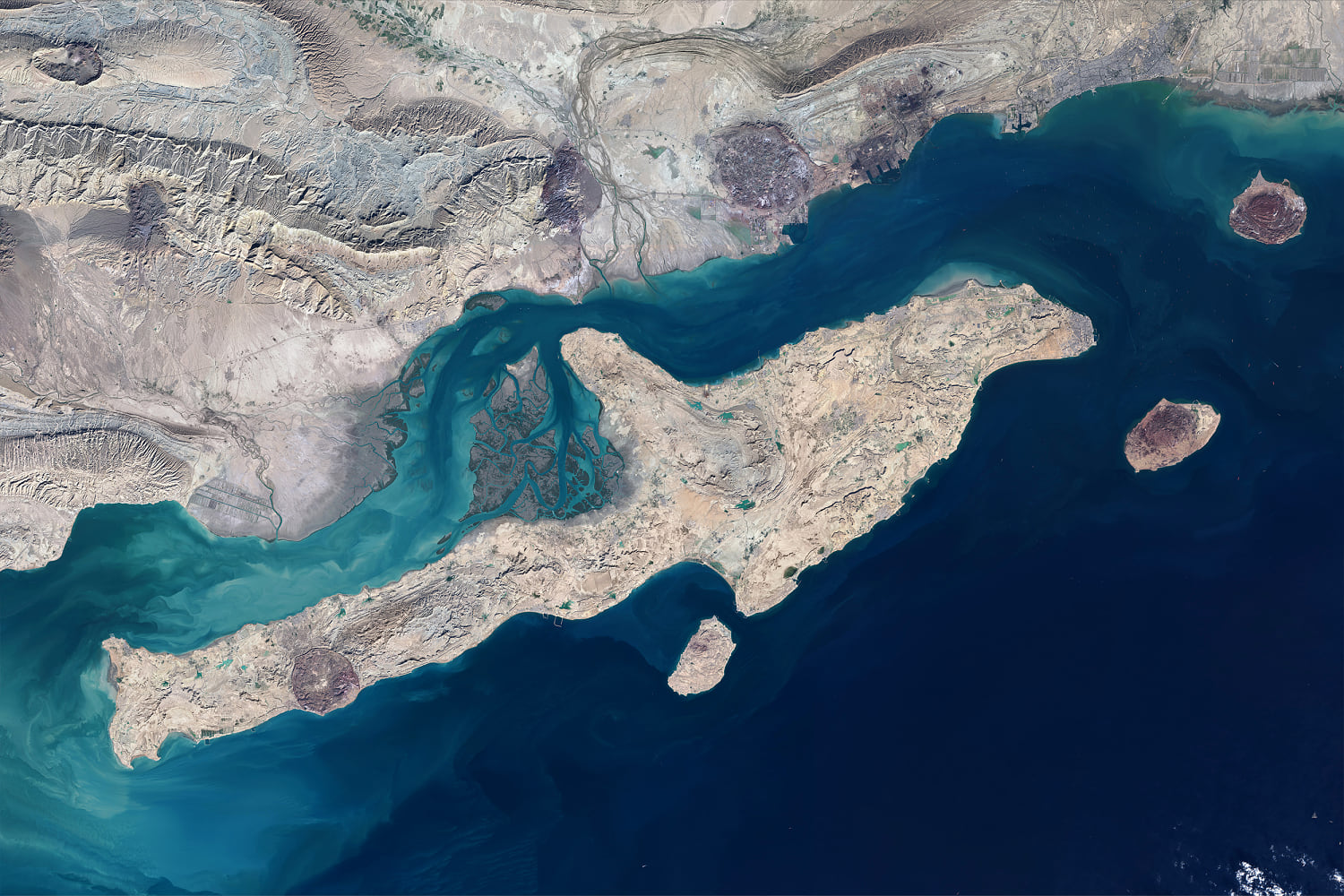
Since the 2018 withdrawal from the Iran nuclear deal, the U.S. has maintained a policy of maximum pressure on Tehran, while Iran has retaliated through proxy forces and asymmetric tactics like drone strikes and sabotage in key shipping lanes. The Strait of Hormuz, through which 20% of the world’s oil passes, has become a flashpoint, with both sides carefully calibrating their responses to avoid full-blown war—until now.
What Happens Next
Expect Iran to respond in kind, likely through its network of allied militias in Iraq, Yemen, or Syria, or by targeting U.S. military outposts in the region. The risk is that this tit-for-tat escalation spirals into a broader conflict, especially if civilian casualties occur or if either side miscalculates a response. Diplomats will scramble to contain the fallout, but trust between the two nations is nearly nonexistent.
Bigger Picture
This incident underscores the fragility of the post-2020 ceasefire arrangements in the Middle East, where informal understandings have increasingly replaced formal diplomacy. It also highlights how the region’s conflicts are no longer confined to state actors—proxy groups, private military firms, and even cyber warfare now play pivotal roles in shaping the balance of power.