Iran fires missiles at US bases in Kuwait, Bahrain
Iran launched ballistic missiles and drones at US military sites in Kuwait and Bahrain, retaliating for US strikes on Iranian targets in the Strait of Hormuz. The attacks risk collapsing a fragile cea

Iran launched ballistic missiles and drones at US military sites in Kuwait and Bahrain on Sunday, escalating a dangerous tit-for-tat cycle after Washi
Read Full Story at Al Jazeera →Why This Matters
The escalation marks a dangerous shift from proxy conflicts to direct military confrontation between Iran and the U.S., testing the fragile stability of Gulf security architectures. It underscores how quickly localized tensions can spiral into regional flashpoints, with implications for global energy markets and maritime trade routes.
Background Context
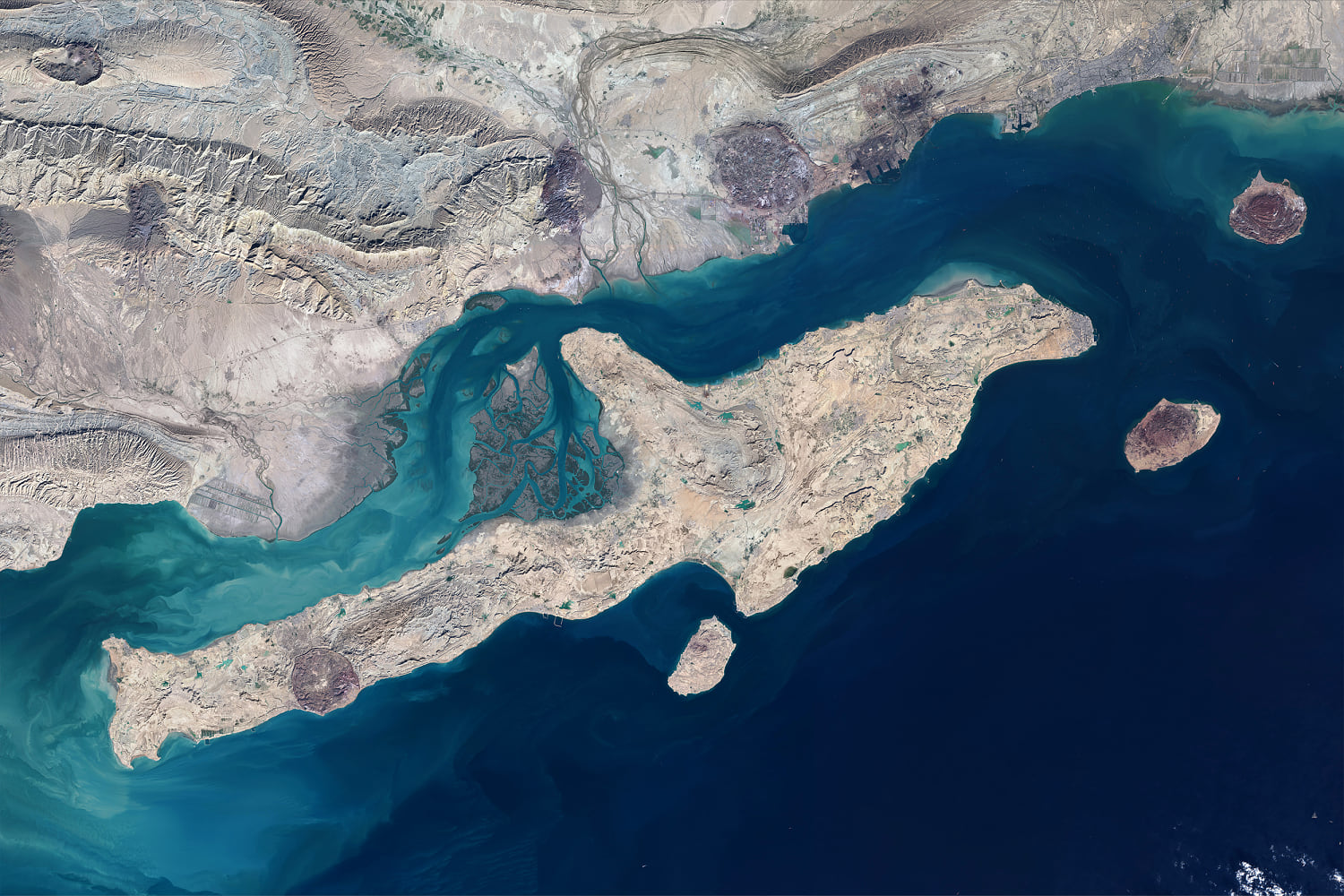
Kuwait and Bahrain host critical U.S. military installations—Camp Arifjan and the U.S. Navy’s Fifth Fleet, respectively—making them high-value targets in Iran’s asymmetric warfare playbook. The Strait of Hormuz, where the initial U.S. strikes occurred, accounts for nearly 20% of the world’s oil supply, a fact Tehran has repeatedly weaponized during past crises.
What Happens Next
Diplomatic channels will face intense pressure to prevent further retaliation, while Gulf states may accelerate efforts to diversify security partnerships beyond U.S. reliance. The risk of miscalculation—such as accidental strikes on civilian vessels or infrastructure—could force a more robust U.S. response, potentially drawing in other regional actors.
Bigger Picture
This marks the latest in a pattern of Iran’s calibrated escalation tactics, blending proxies with direct strikes to deter aggression while avoiding catastrophic war. The episode highlights how the Middle East’s security architecture remains hostage to the interplay of U.S. deterrence and Iran’s calculated brinkmanship.