US strikes IRGC on Qeshm, Iran fires missiles at Bahrain and Kuwait
The U.S. struck IRGC positions on Qeshm Island in retaliation for Iranian attacks on U.S. allies, escalating tensions in the Persian Gulf. Iran retaliated with missile strikes on Bahrain and Kuwait, …

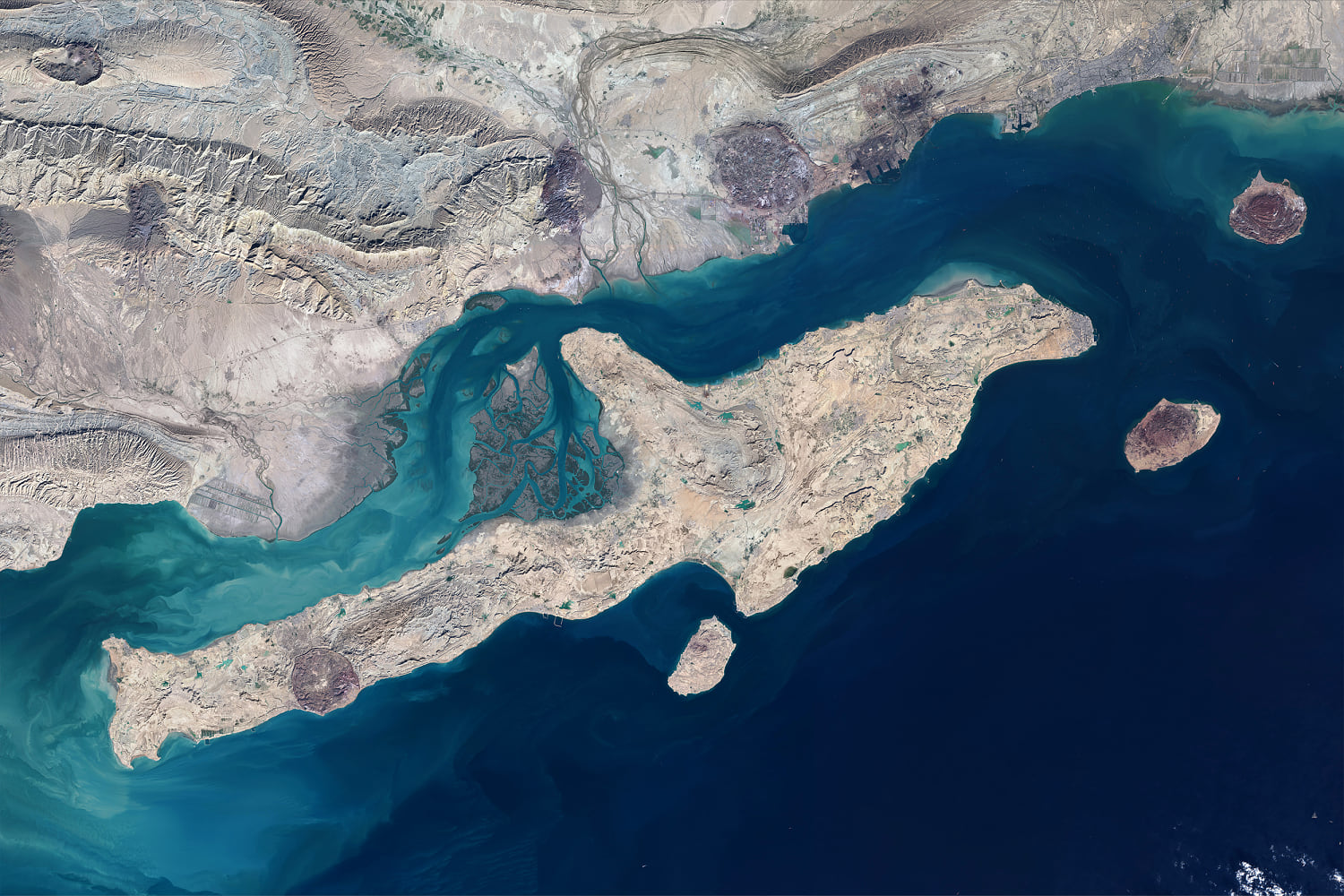
The U.S. military launched airstrikes on Iran’s Qeshm Island on Wednesday, targeting Islamic Revolutionary Guard Corps (IRGC) positions in response to
Read Full Story at Al Jazeera →Why This Matters
The escalation marks a dangerous inflection point in the shadow war between Washington and Tehran, where each strike risks unraveling fragile deterrence mechanisms that have kept direct conflict at bay for decades. By targeting Qeshm Island—a strategic IRGC naval hub—while Iran’s retaliatory strikes hit Bahrain and Kuwait, the exchanges expose how proxy dynamics are collapsing into direct confrontation, with unpredictable regional spillover. This isn’t just another flare-up in the Persian Gulf; it’s a potential blueprint for how future Middle Eastern conflicts could unfold with minimal warning.
Background Context
Qeshm Island has long served as the IRGC’s maritime nerve center in the Strait of Hormuz, a chokepoint through which 20% of the world’s oil passes, making it a linchpin for Iran’s asymmetric warfare doctrine. The U.S. has tolerated Iranian provocations for years, but recent attacks on allied territory—including strikes on Saudi oil facilities and drone incursions into Iraqi Kurdistan—have stretched Washington’s patience thin. Meanwhile, Bahrain’s hosting of the U.S. Fifth Fleet and Kuwait’s fragile political stability make them prime targets for Tehran’s calibrated aggression.
What Happens Next
The immediate risk is miscalculation: further tit-for-tat strikes could drag Saudi Arabia or Iraq into the fray, while Iran’s proxies in Yemen or Syria may escalate asymmetrically. Diplomatically, the window for de-escalation is shrinking; both sides now face domestic pressure to demonstrate strength, potentially locking them into a cycle of escalation. Watch for signals from China and Russia—key Iranian partners—as their responses could either mediate or exacerbate the crisis.
Bigger Picture
This confrontation underscores a broader unraveling of the post-2015 nuclear deal framework, where Iran’s regional ambitions increasingly clash with U.S. efforts to contain them without triggering full-scale war. It also highlights how Gulf states, despite their reliance on American security guarantees, are being forced to hedge their bets—accelerating their own military buildups and outreach to non-Western powers. The episode may foreshadow a new era of Middle Eastern conflicts, where proxies are too volatile and direct strikes too frequent to ignore.