Israel strikes Lebanon, killing one after U.S. deal rejected
Israeli airstrikes in southern Lebanon killed one and wounded two just a day after a U.S.-brokered deal to ease border tensions; the deal's weak Lebanese sovereignty provisions and Hezbollah's rejecti
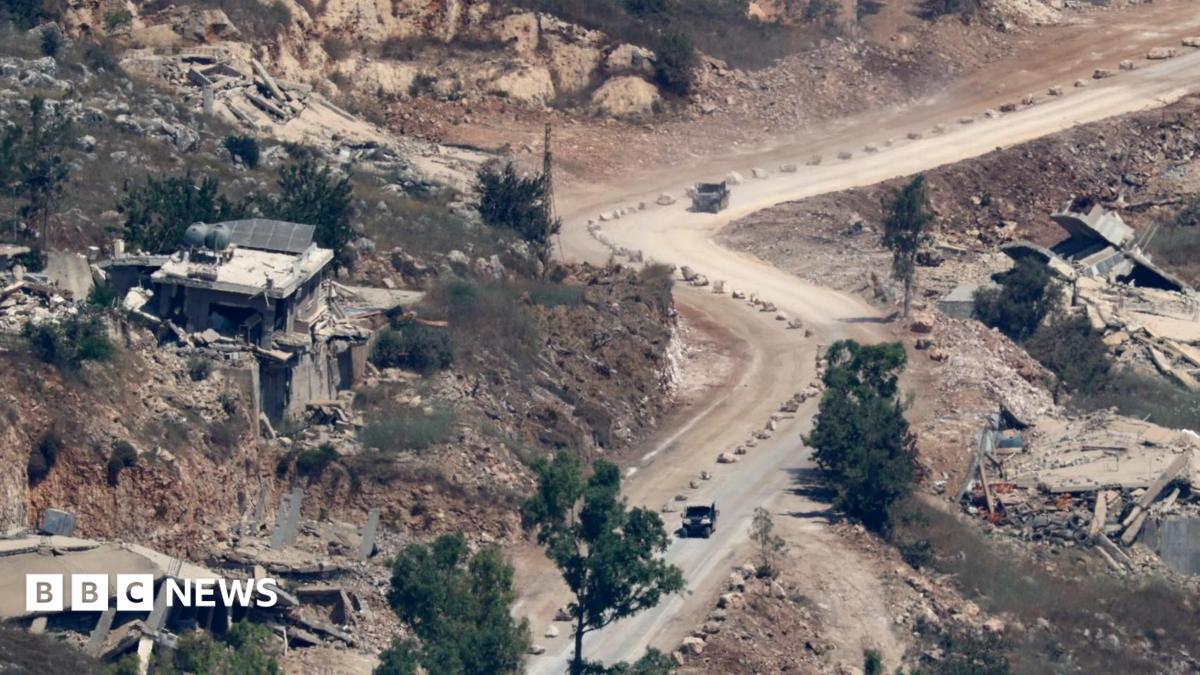
Israeli airstrikes in southern Lebanon killed one person and wounded two others on Saturday, just a day after Israel and Lebanon signed a U.S.-brokere
Read Full Story at BBC World News →Why This Matters
The escalation in southern Lebanon—amid a fragile U.S.-brokered deal—signals a dangerous cycle of retaliation that risks unraveling fragile ceasefire efforts. The timing of these strikes, mere hours after diplomatic progress was celebrated, underscores how easily tactical missteps can derail even the most carefully negotiated frameworks, leaving civilians caught in the crossfire.
Background Context
Southern Lebanon has long been a flashpoint, where Israeli military operations and Hezbollah’s armed resistance operate in a tense equilibrium sustained by decades of mutual deterrence. Lebanon’s government, already crippled by political paralysis and economic collapse, lacks the authority or capability to enforce sovereignty over armed factions, a vulnerability that external mediators like the U.S. have repeatedly exploited in ceasefire negotiations.
What Happens Next
With Hezbollah publicly rejecting the deal’s terms, the door to further negotiations appears to be narrowing, pushing both sides toward a tit-for-tat confrontation that could spiral beyond Lebanon’s borders. The lack of a robust enforcement mechanism in the U.S.-brokered agreement leaves little recourse if either party disregards its provisions, raising the specter of a prolonged conflict that draws in regional players.
Bigger Picture
This incident reflects a broader erosion of confidence in diplomatic solutions across the Middle East, where ceasefire frameworks increasingly serve as temporary lulls rather than sustainable pathways to peace. As regional powers prioritize deterrence over dialogue, the risk of miscalculation grows, threatening to destabilize already fragile states and deepen humanitarian crises.