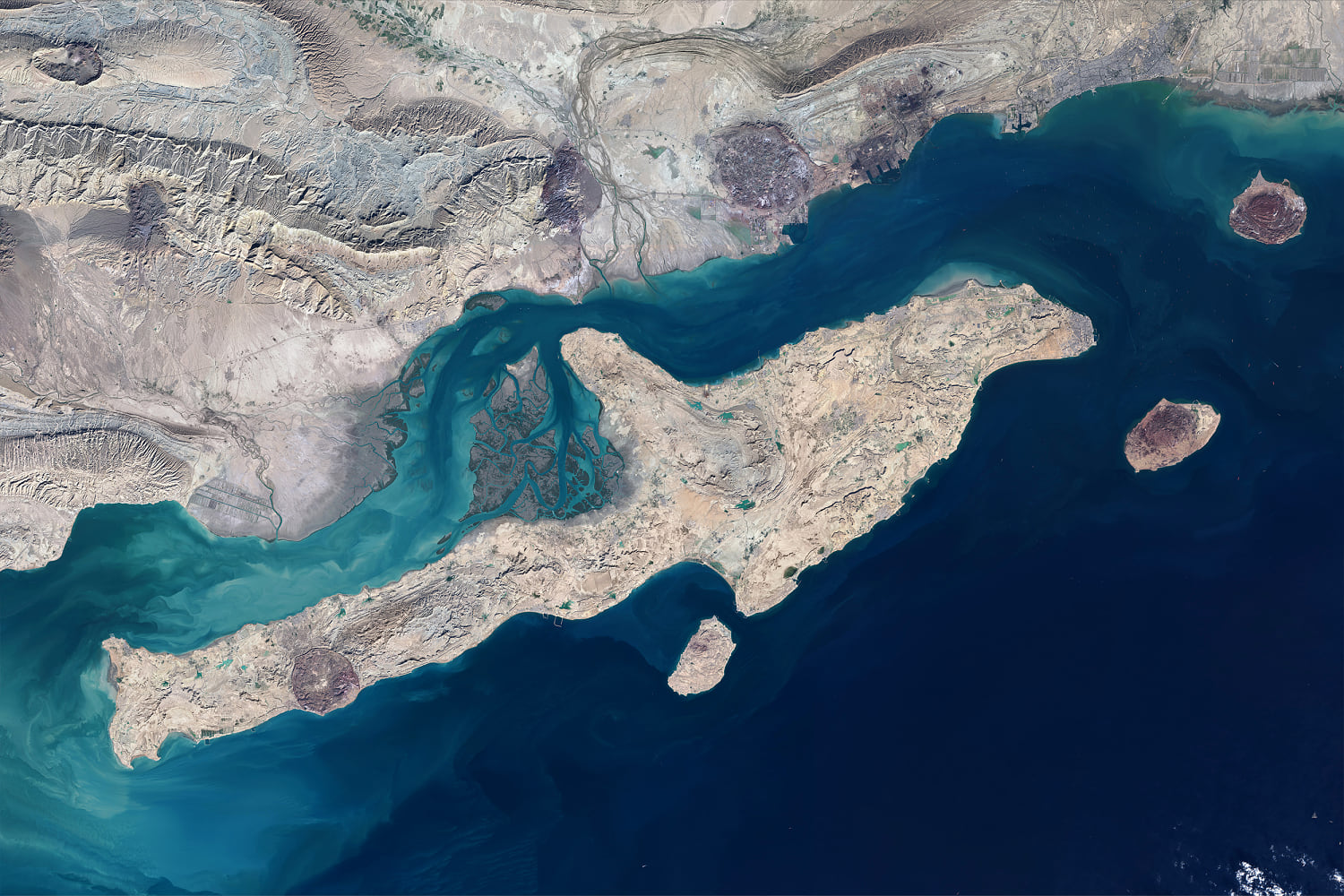
Trump's Middle East deal in doubt as Iran retaliates to U.S. strikes
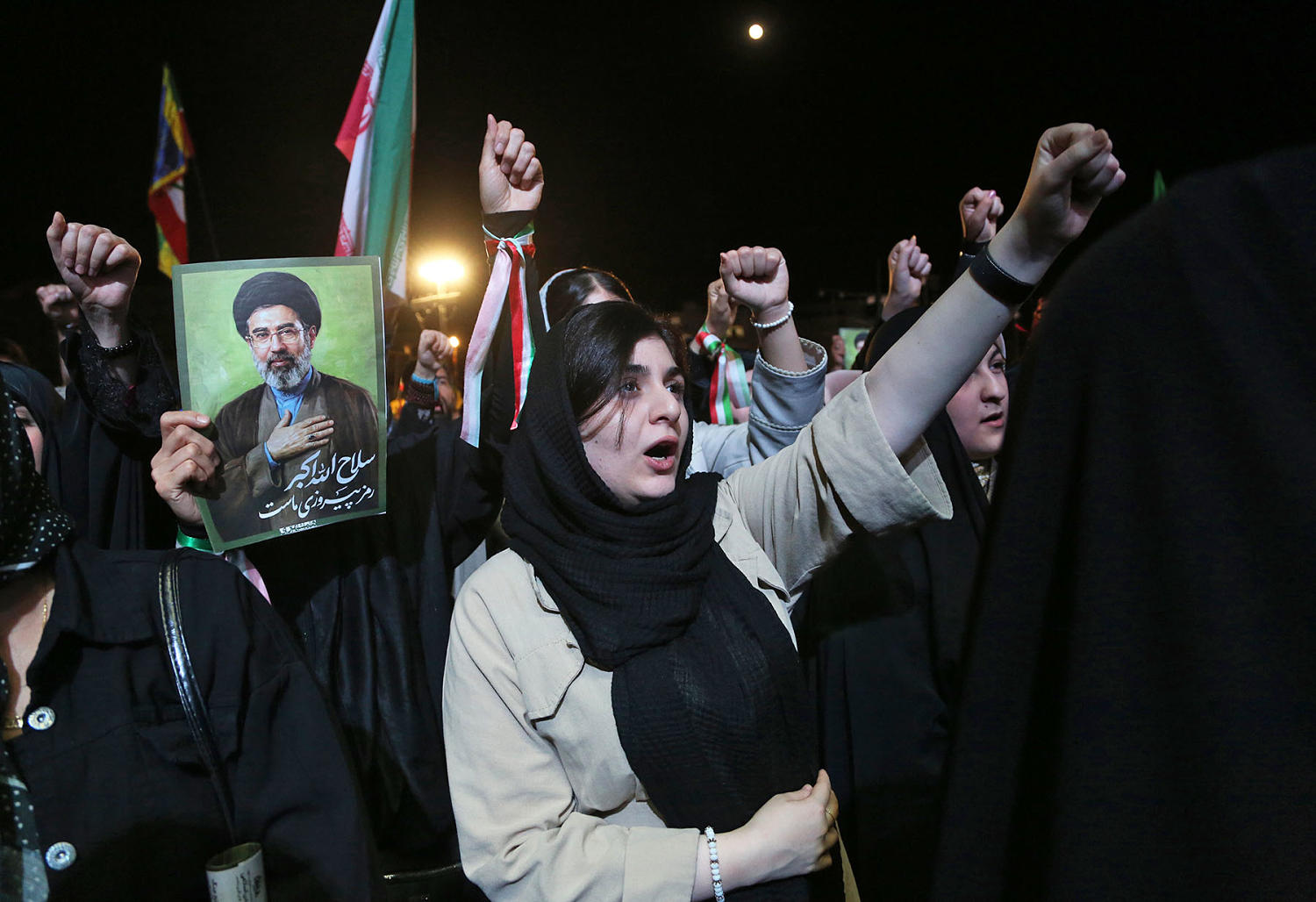
Iran retaliated against U.S. strikes in Iraq and Syria, escalating tensions just days after Trump claimed a "historic" Middle East peace deal. Trump’s vague deal faces collapse as Iran denies any viol
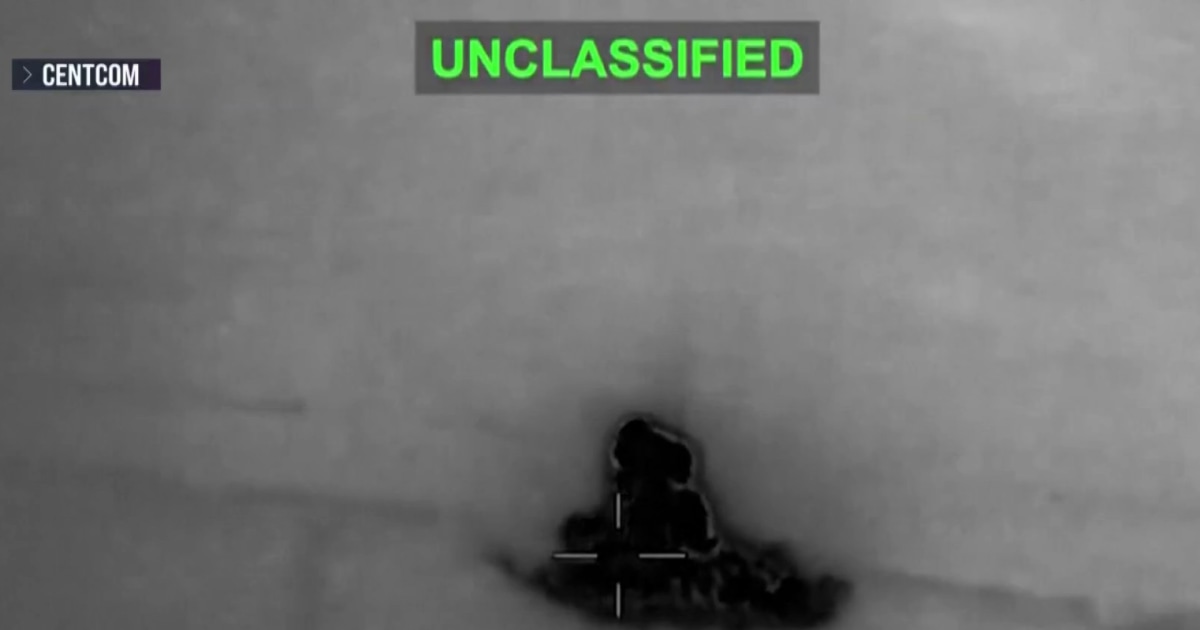
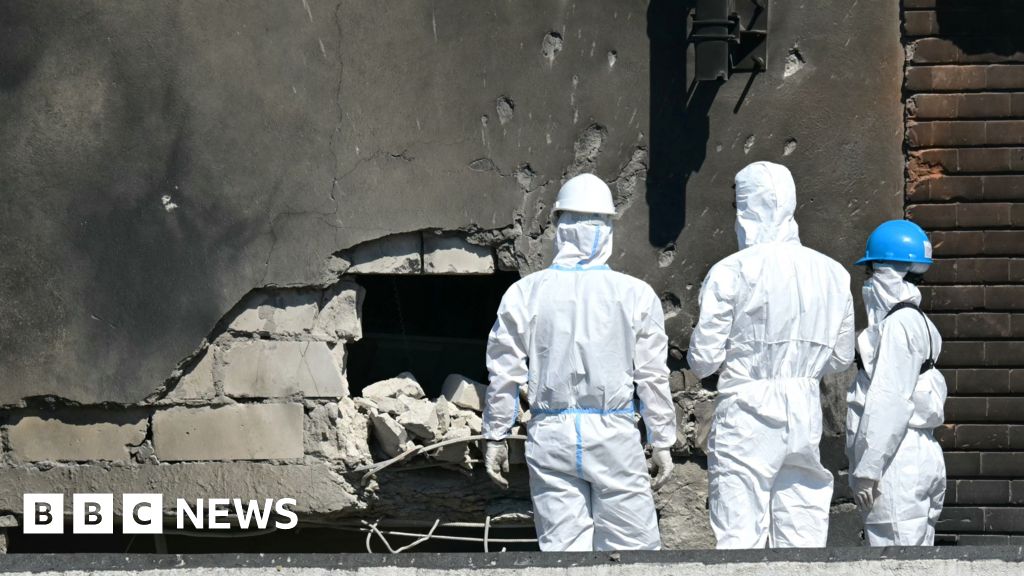
Iran fired missiles at U.S.-linked targets in Iraq and Syria on Tuesday, retaliating for American airstrikes that destroyed Iranian missile and drone
Read Full Story at NBC News →Why This Matters
The escalation between the U.S. and Iran risks unraveling what was already a fragile diplomatic narrative, threatening to expose the limitations of unilateral peace initiatives in the Middle East. Trump’s claims of a "historic" deal now face a credibility test, with regional stability hanging in the balance as retaliatory strikes challenge the perception of deterrence.
Background Context
Iran’s military posture has long relied on proxies in Iraq and Syria to project influence without direct confrontation, a strategy that complicates retaliatory responses. Meanwhile, Trump’s proposed deal—largely undefined in specifics—has been criticized for prioritizing headline diplomacy over substantive regional buy-in, leaving key players like Tehran with little incentive to engage.
What Happens Next
The coming days will reveal whether Iran’s retaliation is a calibrated message or the start of a prolonged cycle of strikes and counter-strikes. If Trump responds with further force, the deal could collapse entirely, while restraint might embolden Tehran to push boundaries elsewhere in the region.
Bigger Picture
The episode underscores the recurring failure of "shock and awe" deterrence in the Middle East, where military action often produces fleeting calm but rarely durable peace. It also highlights how fragile U.S.-backed diplomatic initiatives remain when key stakeholders like Iran operate from a position of asymmetric advantage.