US, UK and Australia to develop underwater drones through defence pact
The US, UK, and Australia will jointly develop advanced underwater drones under the AUKUS pact to enhance maritime surveillance and security. The initiative aims to counter China's military expansion…
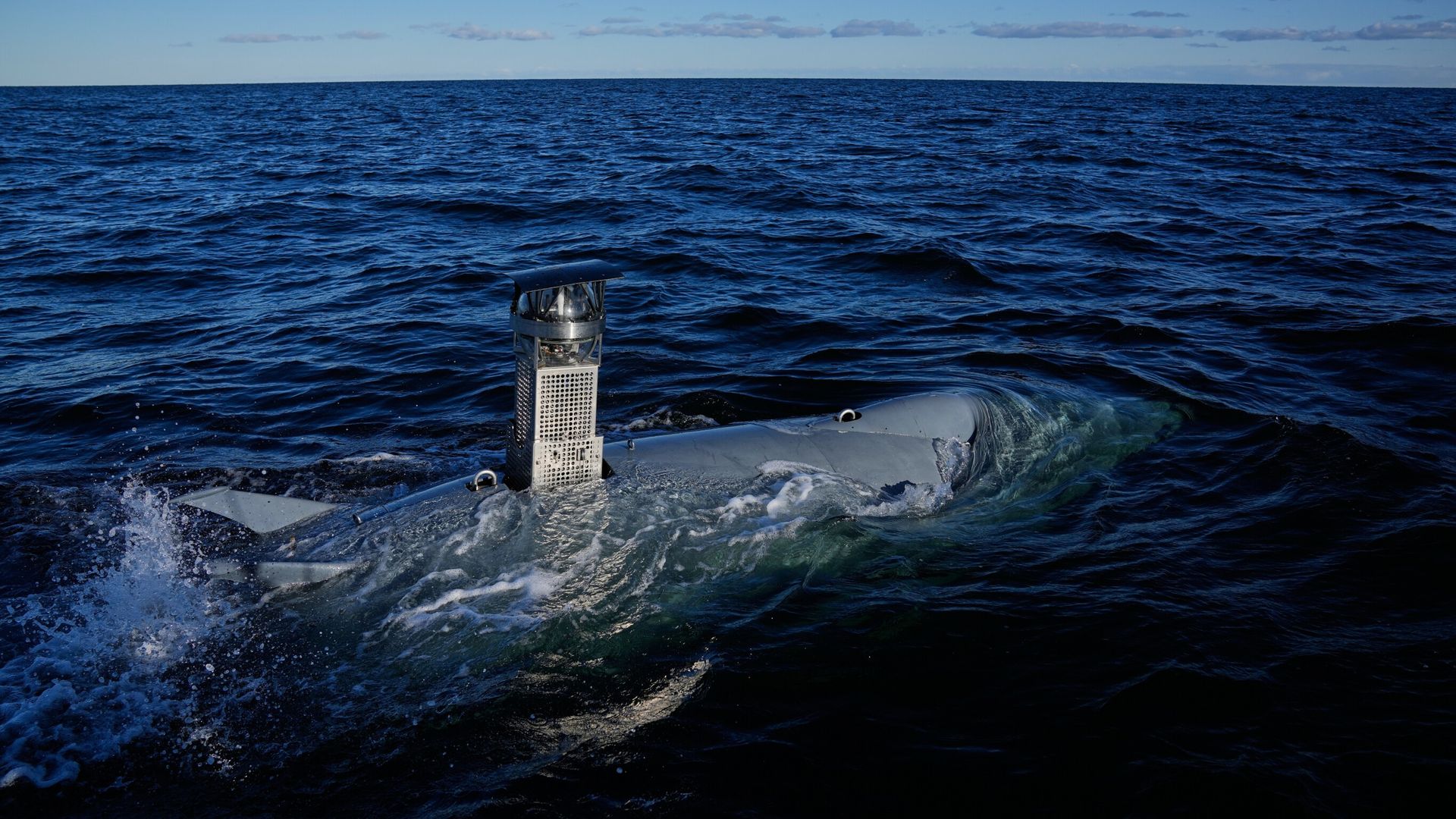
The United States, United Kingdom, and Australia have announced plans to jointly develop advanced underwater drones as part of the AUKUS defence pact,
Read Full Story at Sky News →Why This Matters
The trilateral development of underwater drones under AUKUS signals a strategic pivot in how Western allies counterbalance China’s growing naval assertiveness in the Indo-Pacific. This move not only accelerates autonomous maritime capabilities but also embeds artificial intelligence and sensor networks into naval doctrine, redefining the rules of underwater warfare. For industries, it could spur advancements in marine robotics, while for geopolitics, it underscores a shift toward tech-driven deterrence rather than traditional arms races.
Background Context
The AUKUS pact, formed in 2021, was initially framed around nuclear submarine technology transfers, but its scope has quietly expanded to include emerging technologies like AI-driven drones. Australia’s 2023 Defence Strategic Review highlighted the need for autonomous systems to patrol its vast maritime borders, while the UK’s 2023 Integrated Review emphasized "underwater domain awareness" as a priority. Meanwhile, China’s deep-sea surveillance networks and anti-access/area-denial (A2/AD) strategies have spurred allied investments in asymmetric capabilities.
What Happens Next
The first phase of drone development will likely focus on mine countermeasures and surveillance, with prototypes expected within five years. A critical question is whether the technology will remain dual-use (civilian-military) or be tightly controlled, given Australia’s past restrictions on exporting sensitive equipment. Observers should watch for how Japan and South Korea, both AUKUS dialogue partners, might align with these systems—or develop competing alternatives.
Bigger Picture
This initiative reflects a broader trend of "grey zone" warfare, where unmanned systems blur the lines between peacetime patrols and conflict escalation. It also highlights the accelerating militarization of the high seas, where drones now complement (and sometimes replace) traditional naval assets. Economically, the push for underwater autonomy could revive stagnant sectors in robotics and underwater acoustics, while geopolitically, it entrenches a new axis of techno-military collaboration outside NATO’s traditional framework.